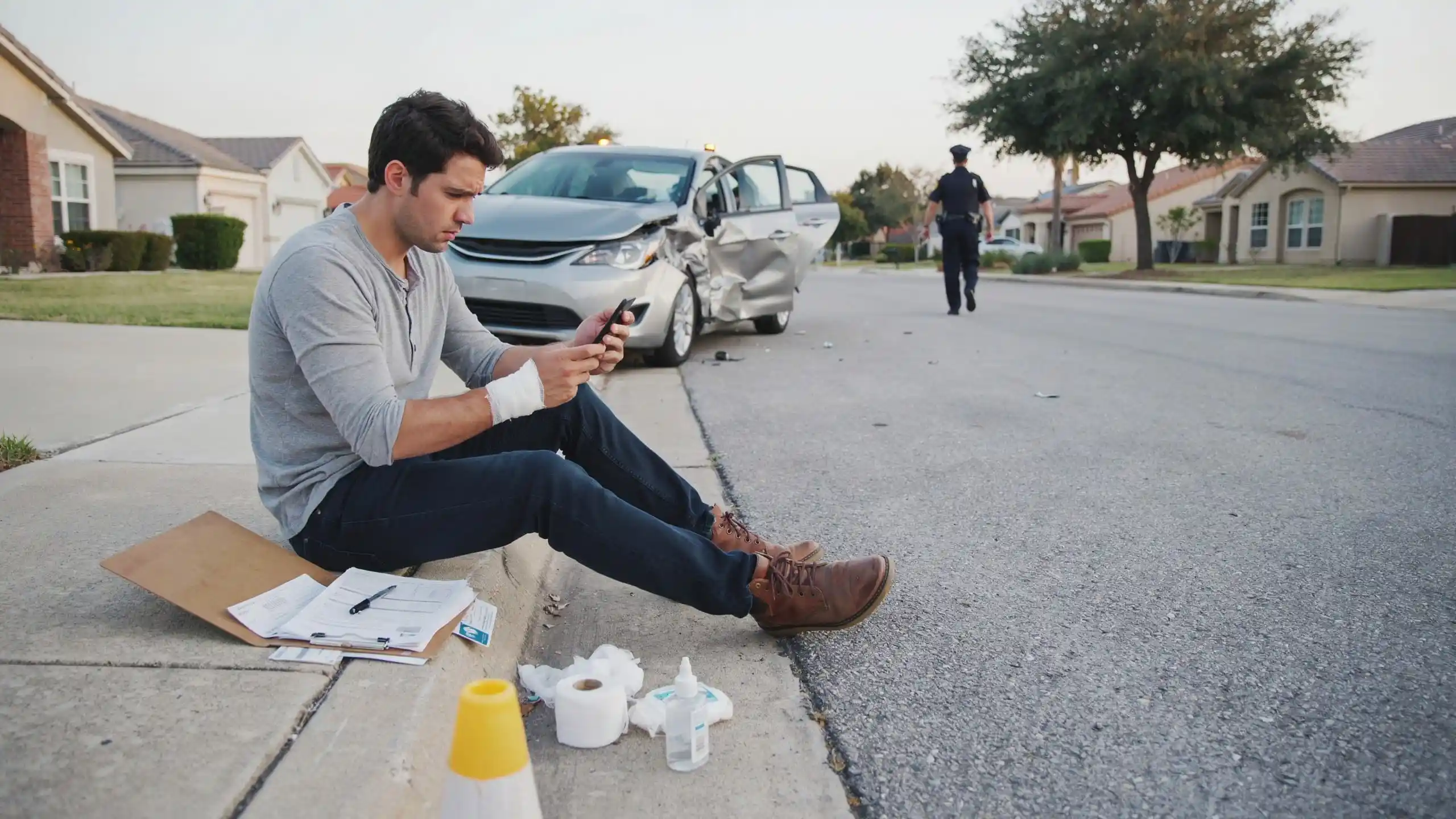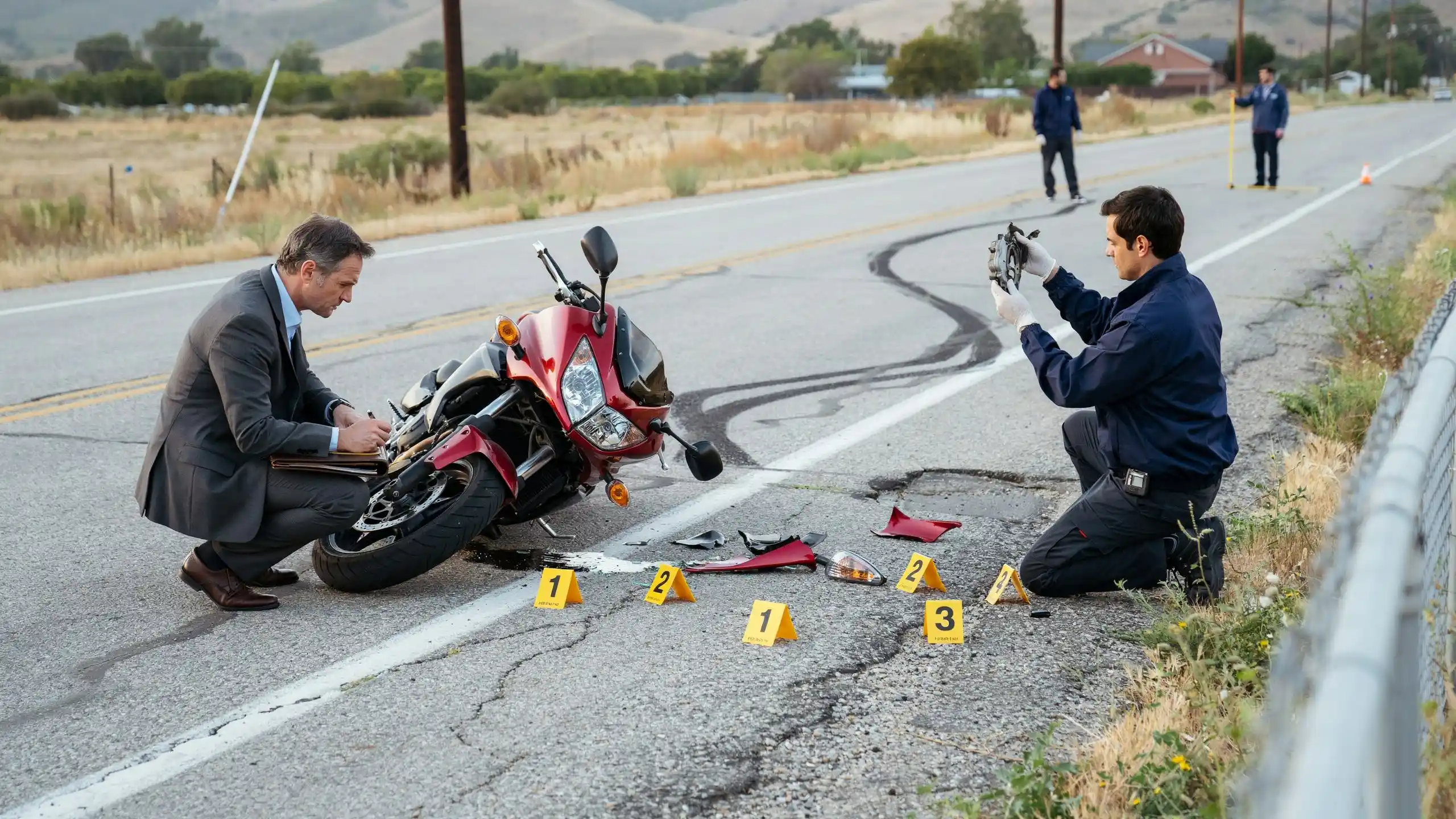






What Must a Slip and Fall Attorney Prove to Win Big?

What Must a Slip and Fall Attorney Prove to Win Big?

You didn’t see the wet floor because there was no sign warning you it was there. Now you’re nursing a fractured wrist, a manager is insisting the store “didn’t know” about the spill, and you’re wondering if this is even worth pursuing.

It is, and property owners count on victims assuming otherwise. Slip and fall claims are frequently dismissed by injured people as too minor or too hard to prove, which is exactly why so many go unfiled even when the property owner was clearly negligent.

A slip and fall attorney exists to cut through that uncertainty, establish what the property owner knew, and build the evidence needed to hold them accountable.

Whether it’s gathering evidence, negotiating with insurance companies, or representing clients in court, More 2 You handles every aspect with utmost professionalism and dedication.

Why These Cases Are Winnable More Often Than People Think

Slip and fall claims fall under premises liability law, which requires property owners to keep their premises reasonably safe or warn visitors of hazards they know about. That duty applies to private businesses, restaurants, hotels, grocery stores, shopping centers, and public buildings alike.

The challenge isn’t usually whether you fell — it’s proving the property owner knew, or reasonably should have known, about the hazard and failed to fix it in time. That’s a factual question, not an impossible legal barrier, and it’s exactly the kind of question a slip and fall injury lawyer is trained to answer.

premises liability law
National data consistently shows falls are a leading cause of emergency room visits in the United States, resulting in over a million hospital visits annually according to floor safety research organizations. This isn’t a rare or trivial category of injury. It’s a widespread, well-documented public health problem, and the law reflects that seriousness.

slip and fall injury lawyer

What Counts as a Slip and Fall Claim

Slip and fall cases extend well beyond wet floors. Premises liability claims commonly arise from uneven steps or broken stairs, exposed trip hazards like torn carpeting or loose cables, inadequate lighting in stairwells or parking areas, faulty handrails, malfunctioning elevators or escalators, and even negligent security that allows a preventable assault to occur.

Whether the fall happened at a private residence, a big-box retailer, a hotel, or a municipal building, the underlying legal question stays the same: did the property owner fail in their duty to keep the premises reasonably safe.

The Evidence That Actually Proves Negligence

Photos of the hazard, taken before it gets cleaned up or repaired, are often the single most persuasive piece of evidence in a slip and fall case. Surveillance footage, where available, can show exactly how long a hazard existed before your fall, which speaks directly to whether the property owner should have caught it.

Incident reports filed with the property at the time of the fall create an official record that’s harder to dispute later. Witness statements from other customers or employees can confirm the hazard existed and wasn’t a one-time fluke. Medical records connecting your treatment directly to the fall complete the picture insurers need to see to take a claim seriously.

A slip fall lawyer alabama residents turn to knows how to gather this evidence quickly, before surveillance footage gets overwritten or a hazard gets quietly fixed and forgotten.

Why Property Owners Fight Back So Hard

The first response from most property owners or their insurers is to argue the fall was your fault — you weren’t watching where you were going, you were wearing the wrong shoes, you should have seen the hazard yourself. This is a predictable defense tactic, not a reflection of what actually happened.

An experienced slip and fall attorney anticipates this response and builds the case to counter it directly, documenting exactly why the hazard wasn’t reasonably visible or avoidable. This is also where comparative fault rules matter, since even a partial finding of fault can significantly reduce or eliminate compensation depending on your state’s law.

Slip and Fall Claim Florida

When Slip and Fall Cases Connect to Other Claims

A serious fall can lead to injuries that extend beyond a routine premises liability claim. A fall resulting in permanent cognitive impairment may become a catastrophic brain injury case, requiring long-term cost projections most standard claims don’t involve.

A fall that happens at a nursing facility due to inadequate supervision may raise separate nursing home abuse and neglect concerns. And a fall on the job may intersect with workers’ compensation, which involves a different claims process entirely from a standard premises liability suit against a third party.

catastrophic brain injury case

The Fee Structure That Keeps More Money in Your Pocket

Most personal injury firms charge 33% to 45% of a settlement or judgment. More 2 You Law, PC charges 25% or less on prelitigation cases, which means significantly more of your recovery goes toward your medical bills, lost income, and recovery instead of legal fees.

On a $60,000 slip and fall settlement, the difference between a 40% fee and a 25% fee is $9,000 — money that matters when you’re facing mounting medical bills and missed paychecks.

What to Do Immediately After a Fall

Report the fall to the property owner or manager on the spot, and request a copy of the written incident report before you leave. Photograph the hazard, your injuries, and the surrounding area from multiple angles before anything changes.

Get contact information from anyone who witnessed the fall, since their account can become critical if the property owner later disputes what happened. Seek medical attention promptly, even for injuries that seem minor at first, since some fractures and soft-tissue injuries don’t show their full severity for days.

Avoid signing anything presented by the property’s insurance company, and avoid giving a recorded statement until you’ve spoken with a slip and fall lawyer. These statements are often used later to minimize your claim.

Don’t Assume Your Case Isn’t Worth Pursuing

Too many slip and fall victims write off a legitimate claim, either from embarrassment or the mistaken belief the case is too small or too difficult to win. Property owners and their insurers rely on that hesitation.

If you were injured in a fall caused by a property owner’s negligence, contact the slip and fall lawyers at More 2 You Law, PC to find out what your claim may be worth.

FAQs

How do I prove the property owner knew about the hazard?

Evidence such as prior complaint records, maintenance logs, surveillance footage showing how long the hazard existed, and employee testimony can establish that the owner knew or should have known. A slip and fall lawyer knows which records to formally request during the investigation.

What if I was partly to blame for not seeing the hazard?

Depending on your state’s comparative or contributory negligence rules, partial fault can reduce or, in some states, completely bar your compensation. This makes it especially important to have an attorney evaluate the specific facts of your fall early on.

Can I still file a claim if I didn’t report the fall immediately?

Yes, though reporting promptly strengthens your case significantly by creating a contemporaneous record. If you didn’t report right away, documenting the incident as soon as possible afterward, along with any medical treatment, still supports a valid claim.

How long do I have to file a slip and fall lawsuit?

Deadlines vary by state, generally around two years in Alabama, Florida, and Georgia, and three years in Mississippi, though claims against government-owned property often carry much shorter notice requirements. Missing these deadlines can permanently bar your right to recover compensation.

What if my fall happened at my workplace?

Workplace falls are typically handled through workers’ compensation rather than a standard premises liability claim, though a third party’s negligence, like a contractor’s, may create an additional claim. A slip and fall attorney can help determine which process applies to your situation.

Do slip and fall settlements really cover more than medical bills?

Yes, a properly valued settlement should also account for lost wages, reduced future earning capacity if the injury is long-lasting, and pain and suffering. Many injured people underestimate their claim’s value by focusing only on immediate medical costs.

What kinds of properties are most commonly involved in these claims?

Grocery stores, restaurants, hotels, retail stores, and apartment complexes are among the most frequent settings for slip and fall claims, largely due to foot traffic and spill risk. Public buildings and municipal property are also common, though these claims often involve different filing procedures.

Is it worth hiring a lawyer for a smaller slip and fall injury?

Even smaller injuries can involve significant medical costs and missed work, and insurers routinely offer less than a claim is worth to unrepresented claimants. A slip and fall injury lawyer can evaluate whether pursuing the claim makes sense based on the specific facts of your case.

How Does a Personal Injury Lawyer Value a Brain Injury Case?

How Does a Personal Injury Lawyer Value a Brain Injury Case?

How Does a Personal Injury Lawyer Value a Brain Injury Case?

An 80,000-pound truck just changed your life. You’re dealing with injuries, a totaled vehicle, and a trucking company that already has its own investigators on the scene.

That’s not an exaggeration. Trucking companies and their insurers begin building a defense within hours of a crash, often before you’ve even left the emergency room.

A trucking accident lawyer exists to match that speed, preserve the evidence that proves fault, and make sure a massive corporation’s legal team doesn’t outwork an injured victim without representation.

Whether it’s gathering evidence, negotiating with insurance companies, or representing clients in court, More 2 You handles every aspect with utmost professionalism and dedication.

Why Brain Injuries Are the Most Expensive Personal Injury Claims

Traumatic brain injuries consistently produce the highest lifetime costs of any personal injury category, and the range is enormous depending on severity. National health data on TBI outcomes shows lifetime costs for milder injuries running in the tens of thousands of dollars, while severe injuries can require millions in medical care, rehabilitation, and long-term support.

The reason for this range comes down to what a brain injury actually attacks: cognitive function, the very thing a person needs to earn a living, manage a household, and live independently. 

Most Expensive Personal Injury Claims

A moderate to severe TBI can shorten life expectancy, and public health data shows a majority of survivors of moderate-to-severe injuries face lasting disability, with many unable to return to their previous work at all.

Min Height: auto
Min Height: auto
Width: auto
Width: auto

This is why a catastrophic injury lawyer alabama families rely on approaches these cases differently than a routine claim — the math has to account for decades, not months.

Traumatic brain injuries georgia

How Brain Injuries Happen

Traumatic brain injuries most often result from car accidents, truck collisions, falls, workplace incidents, or medical negligence during surgery or delivery. Each of these causes carries its own legal path and insurance structure.

A crash-related brain injury may involve auto insurance policy limits, while a fall-related injury may fall under premises liability and slip and fall law. A brain injury tied to a botched surgery or delayed diagnosis becomes a medical malpractice claim with an entirely different set of procedural requirements. Identifying the correct legal category early determines which insurance coverage, if any, applies and how the claim needs to be filed.

What Determines the Value of a Brain Injury Claim

Severity is the single biggest factor. Mild traumatic brain injuries, often called concussions, can still produce lasting post-concussion syndrome in a meaningful share of patients, while moderate and severe injuries involve extended loss of consciousness and permanent cognitive changes.

Medical documentation matters enormously, since brain injuries frequently don’t show up clearly on standard imaging, which insurers exploit by dismissing real symptoms as exaggerated or unrelated. Neuropsychological testing and specialist evaluation are often what separate a lowball offer from a fair one.

Future care needs get calculated by life-care planners who project decades of rehabilitation, therapy, and support services. Lost earning capacity is calculated based on age, prior income, and career trajectory, since a brain injury that ends a high-earning career at 35 represents a very different loss than the same injury at 65. Non-economic damages, including pain, suffering, and loss of enjoyment of life, round out a complete claim.

Why Documentation Makes or Breaks These Cases

Because brain injuries are often invisible on a CT scan or basic MRI, insurance adjusters routinely argue that cognitive symptoms are subjective, pre-existing, or unrelated to the crash. This tactic works often enough that it’s become standard practice across the industry.

A thorough personal injury lawyer counters this by building a documented medical record from day one: neurological exams, cognitive testing, treating physician notes, and, where needed, expert testimony connecting the injury directly to the incident. Gaps in this documentation are exactly what insurers look for, and exactly what a skilled attorney works to prevent.

traumatic brain injury medical file

The Fee Structure That Protects Larger Settlements

Because brain injury settlements tend to be significantly larger than standard injury claims, the percentage a law firm charges matters more here than almost anywhere else. Most firms charge 33% to 45% of the recovery.

More 2 You Law, PC charges 25% or less on prelitigation cases. On a $1 million brain injury settlement, that difference can mean $150,000 to $200,000 or more staying with the injured person and their family instead of going to legal fees — money that often directly funds years of future care.

brain injury claim Mississippi

Building a Life-Long Claim, Not a Short-Term One

A brain injury claim has to be built with the same long horizon as the injury itself. That means working with medical experts who can credibly project future treatment costs, vocational experts who can quantify lost earning capacity, and, in severe cases, life-care planners who map out decades of anticipated needs.

Rushing to settle early, before the full scope of the injury is understood, is one of the most common and costly mistakes brain injury victims make. An experienced attorney knows when a case is ready to resolve and when it needs more time to properly document long-term impact.

Get the Right Team Working on Your Case

A traumatic brain injury changes the trajectory of a life, and a rushed or undervalued settlement can leave a victim and their family without the resources they’ll need for years to come. The right legal team treats this as the serious, long-term claim it actually is.

If you or a loved one has suffered a brain injury caused by someone else’s negligence, contact the personal injury lawyers at More 2 You Law, PC to discuss what your case may truly be worth.

FAQs

How is a truck accident case different from a regular car accident case?

Truck accident cases involve federal safety regulations, corporate liability, and larger insurance policies, which makes them more complex than standard car accident claims. They also require faster evidence preservation because of short data retention windows.

What is an ELD, and why does it matter to my case?

An electronic logging device automatically records a truck driver’s hours, speed, and location, creating an objective record of whether federal driving limits were followed. This data is often critical to proving fatigue-related negligence, but carriers are only required to keep it for six months.

Can I sue the trucking company, not just the driver?

Yes. Under the legal principle of respondeat superior, trucking companies are generally liable for the negligent actions of their drivers performed within the scope of employment. Companies can also be separately liable for negligent hiring or poor vehicle maintenance.

What if the truck driver was an independent contractor?

Liability can still extend to the trucking company depending on how much control it exercised over the driver’s work, equipment, and schedule. An experienced trucking accident lawyer investigates this relationship closely, since it directly affects who can be held responsible.

How long does a truck accident lawsuit typically take?

Timelines vary widely based on injury severity and case complexity, ranging from several months for straightforward claims to a year or more for cases that proceed to litigation. Complex commercial trucking cases with multiple liable parties tend to take longer to resolve.

What compensation can I recover in a truck accident claim?

Compensation typically includes medical expenses, lost income, long-term care costs for serious injuries, property damage, and pain and suffering. Because truck accident injuries tend to be more severe, settlements often reflect significantly higher damages than standard car accident claims.

What should I do if the trucking company’s insurance adjuster contacts me directly?

Avoid giving a recorded statement or discussing fault before speaking with a trucking accident lawyer. Adjusters representing the trucking company are working to minimize the company’s financial exposure, not to protect your interests.

How quickly do I need to preserve evidence after a truck accident?

As soon as possible, ideally within days, since ELD data can legally be discarded after six months and some carriers overwrite it sooner. A written preservation demand sent by an attorney is the most reliable way to lock this evidence in place.

RECENT POSTS

What Does a Car Wreck Attorney Do That You Can’t?

What Does a Car Wreck Attorney Do That You Can’t?

What Does a Car Wreck Attorney Do That You Can’t?

Your car is totaled. Your neck hurts. And an insurance adjuster is already calling, sounding friendly, asking you to “just describe what happened.”

That call is not friendly. It’s the first move in a process designed to pay you as little as possible. Insurance companies build their business model around three tactics: deny the claim, delay the payout, and defend against your right to compensation.

A car wreck attorney changes that dynamic. The right attorney stops the insurance company from treating your injury as a line item and starts treating your case as what it is — a legal claim with real value.

Whether it’s gathering evidence, negotiating with insurance companies, or representing clients in court, More 2 You handles every aspect with utmost professionalism and dedication.

Why the First Call You Make Matters So Much

Alabama is one of only four states that still uses pure contributory negligence. Under this rule, if you’re found even 1% at fault for the crash, you can be barred from recovering any compensation at all.

That single legal fact changes everything about how you should behave after a wreck. A recorded statement to an insurance adjuster, given before you’ve spoken with a car accident lawyer, can hand the other side exactly the ammunition they need to shift blame onto you.

Florida, Georgia, and Mississippi use different fault standards, but the underlying insurance playbook is the same everywhere. Adjusters are trained negotiators. You are not. That mismatch is precisely why an attorney for auto accident claims exists — to level the field before you say something that costs you your entire claim.

Alabama car accident lawyer
car accident lawyer alabama

What a Car Wreck Attorney Actually Does for You

A car crash attorney does far more than send demand letters. Here’s the real work behind a strong claim.

Evidence collection starts immediately. Police reports, 911 call logs, dashcam and traffic camera footage, and witness statements can disappear or get overwritten within days. A car wreck attorney moves fast to preserve all of it before it’s gone.

Medical documentation gets organized properly. Insurance companies look for gaps in treatment as an excuse to argue your injuries weren’t serious. Your lawyer makes sure your medical record tells a complete, consistent story.

Liability gets investigated beyond the obvious. Sometimes more than one driver shares fault. Sometimes a vehicle defect or a poorly maintained road contributed to the crash. A thorough car accident lawyer alabama residents trust will look past the police report’s first conclusion.

Negotiation happens from a position of strength. Adjusters offer lowball settlements to unrepresented claimants because most people don’t know what their case is actually worth. A lawyer who has handled hundreds of similar claims does.

The Fee Math Most Firms Don’t Show You

Most personal injury firms charge between 33% and 45% of your settlement or verdict. On a $100,000 recovery, that’s $33,000 to $45,000 gone before you see a dime.

More 2 You Law, PC charges 25% or less on prelitigation cases. On that same $100,000 recovery, you keep $75,000 or more instead of $55,000 to $67,000. That gap — often tens of thousands of dollars — stays in your pocket, not your lawyer’s.

This matters because the firm’s fee structure creates aligned incentives. A lower percentage means the firm has to secure a higher settlement just to earn a comparable fee to competitors, which pushes for stronger outcomes, not faster, smaller ones.

personal injury firms

When Injuries Overlap With Other Claims

Car accidents don’t always stay simple. A crash involving a commercial vehicle may turn into a trucking accident case with different insurance limits and federal regulations in play. A crash that leaves a victim with a head injury can escalate into a catastrophic brain injury claim requiring lifetime-cost calculations. And when a crash proves fatal, families need to understand their options under wrongful death law.

Recognizing these overlaps early changes how a case gets built and valued. A generalist approach misses connections a dedicated car accident lawyer is trained to catch.

Police crash reports

Evidence That Wins or Loses a Case

Not all evidence carries equal weight. Here’s what actually moves a claim forward.

Police crash reports establish the official record, but they aren’t the final word — officers sometimes get details wrong. Photos of vehicle damage, road conditions, and skid marks, taken as soon as possible after the crash, often prove more persuasive than written reports.

Medical records connect the crash directly to your injuries, which is exactly what insurers try to break apart. Witness statements, gathered while memories are fresh, can settle disputes about who had the right of way. Property damage estimates and repair invoices support the economic side of your claim, while pain journals and missed-work records support the harder-to-quantify losses.

What to Do in the First 72 Hours

Seek medical attention immediately, even if you feel fine. Some injuries, especially soft-tissue and head injuries, don’t show symptoms right away.

Photograph everything — your vehicle, the other vehicle, the road, any visible injuries, and the surrounding area. Get the other driver’s insurance information and contact details for any witnesses.

Avoid posting about the accident on social media. Insurance companies routinely search claimants’ profiles for anything that can be used to minimize a claim. Contact a car crash attorney before giving a recorded statement to any insurance company, including your own.

car crash attorney

Talk to a Lawyer Before You Talk to the Insurance Company

Every day that passes after a crash is a day evidence can disappear and deadlines can quietly approach. Alabama, Florida, and Georgia generally give you two years to file a personal injury lawsuit; Mississippi gives you three. Waiting to act doesn’t protect you — it only gives the insurance company more time to build its defense.

If you or someone you love was hurt in a car accident, talk to the car accident lawyers at More 2 You Law, PC before you say another word to an insurance adjuster.

FAQs

How soon after a car accident should I contact a lawyer?

As soon as possible, ideally before speaking with any insurance company. Evidence like traffic camera footage and witness memory fades quickly, and early legal guidance protects you from statements that could hurt your claim later.

Will hiring a car accident lawyer make my case take longer?

Not typically. An experienced attorney knows how to organize evidence and negotiate efficiently, which often speeds up settlement rather than delaying it. Cases usually only stretch out when insurers refuse fair offers, and a lawyer is equipped to push back.

What if the other driver doesn’t have insurance?

You may still have options through your own uninsured or underinsured motorist coverage. A car wreck attorney can review your policy and pursue this coverage on your behalf if the at-fault driver can’t pay.

Can I still recover damages if I was partly at fault?

It depends heavily on your state. In Alabama’s contributory negligence system, even minimal fault can bar recovery entirely, which is why early legal guidance is so important. Florida, Georgia, and Mississippi use different standards that may still allow partial recovery.

What types of compensation can a car accident claim include?

Claims typically cover medical bills, future medical care, lost wages, lost earning capacity, property damage, and pain and suffering. Serious or long-term injuries can significantly increase the value of these categories.

Do I have to go to court to get compensation?

Most car accident claims settle without a trial. However, having a lawyer prepared to litigate if necessary often results in stronger settlement offers, because insurers know the case can go the distance.

How is a settlement amount actually calculated?

Attorneys and insurers weigh medical expenses, lost income, severity and permanence of injury, and non-economic factors like pain and suffering. A documented, well-organized claim generally results in a higher valuation than an incomplete one.

What should I avoid saying to an insurance adjuster?

Avoid giving recorded statements, admitting fault in any way, or speculating about your injuries before a full medical evaluation. Stick to basic facts and let your car accident lawyer alabama residents rely on handle the details.

RECENT POSTS

How Does a Motorcycle Accident Attorney Fight Bias?

How Does a Motorcycle Accident Attorney Fight Bias?

How Does a Motorcycle Accident Attorney Fight Bias?

You laid the bike down avoiding a driver who never checked their mirror. Now you’re facing surgery, a wrecked motorcycle, and a claims adjuster who keeps asking why you weren’t “more careful.”

That question isn’t concern. It’s bias, and it’s baked into how insurance companies handle rider claims from the moment the report is filed.

A skilled motorcycle accident lawyer exists specifically to counter that bias, document the real facts of the crash, and make sure a rider’s injuries are valued the same as any other crash victim’s.

Whether it’s gathering evidence, negotiating with insurance companies, or representing clients in court, More 2 You handles every aspect with utmost professionalism and dedication.

Why Motorcycle Claims Get Treated Differently

Riders face a documented uphill battle that car accident victims usually don’t. Police reports and insurance adjusters sometimes assume a motorcyclist was speeding, weaving, or otherwise reckless, even when the evidence points the other way entirely.

This bias affects everything from how the accident report gets written to how quickly an insurer offers a fair settlement. An experienced motorcycle accident attorney knows how to counter these assumptions with hard evidence — skid analysis, traffic camera footage, and independent witness statements that tell the real story of the crash.

alabama motorcycle accident lawyer
experienced motorcycle accident attorney

The Injury Severity Gap

Motorcyclists lack the steel frame, airbags, and crumple zones that protect car occupants. When a crash happens, the physical impact on a rider’s body is almost always more severe than a comparable car accident.

Research from national safety organizations consistently shows tens of thousands of motorcyclists are injured in the U.S. every year, with head trauma, spinal injuries, and multiple fractures appearing far more often in rider claims than in standard auto claims. That severity gap is exactly why motorcycle accident lawyers build cases differently — future medical needs, long-term rehabilitation, and permanent disability all have to be accounted for from day one, not added later.

Injuries this serious frequently overlap with catastrophic brain injury claims, where lifetime care costs, not just emergency treatment, become the central issue in the case.

Helmet Laws and the Comparative Fault Trap

Insurance companies routinely try to use helmet use, or the lack of it, against injured riders. Even where wearing a helmet isn’t legally required, insurers will argue that its absence made your injuries worse, which is a severity argument, not a causation one — it addresses how badly you were hurt, not who caused the crash.

A knowledgeable alabama motorcycle accident lawyer separates these two issues clearly. The other driver’s negligence caused the wreck. Helmet use is a separate legal question, and a good attorney keeps insurers from blending the two to shrink your payout.

Liability Isn’t Always Obvious

Fault in a motorcycle crash can rest with more than just the other driver. Road design defects, poor maintenance, debris left by a construction crew, or a defective motorcycle part can all contribute to a wreck.

An experienced motorcycle accident attorney investigates every angle, not just the most obvious one. That sometimes means a claim connects to a defective product case if faulty brakes, tires, or components played a role in the crash. In the worst cases, when a rider doesn’t survive, families need to understand their rights under wrongful death law.

defective motorcycle part

What Fair Compensation Actually Covers

A reasonable settlement for a motorcycle crash accounts for far more than the hospital bill. It should reflect emergency care, ongoing rehabilitation, lost wages during recovery, reduced future earning capacity if the injury is permanent, damage to the motorcycle and gear, and pain and suffering tied to a genuinely life-altering event.

Motorcycle accident lawyers who understand rider-specific damages — like the cost of specialized rehabilitation equipment or the emotional toll of losing the ability to ride again — build stronger, better-documented claims than general practice attorneys unfamiliar with these details.

motorcycle crash lawyer

The Fee Difference That Adds Up

Standard injury firms typically charge 33% to 45% of your settlement. More 2 You Law, PC charges 25% or less on prelitigation cases, which on a six-figure settlement can mean tens of thousands of extra dollars staying with you and your family instead of going toward legal fees.

Given how much more expensive motorcycle injury recovery tends to be, that fee difference carries even more weight for riders than for typical car accident claimants.

Building Your Case in the First Days After a Crash

Get medical treatment immediately, and be thorough about it. Gaps in treatment give insurers an opening to argue your injuries weren’t serious or weren’t caused by the crash.

Photograph the scene, the bike, your gear, and any visible injuries before anything gets moved, repaired, or thrown away. Get contact information from every witness present, since eyewitnesses often carry more weight in motorcycle cases specifically because of the bias adjusters bring to the table.

Avoid discussing fault with the other driver, witnesses, or insurance representatives until you’ve spoken with a motorcycle accident attorney. Anything you say can be twisted into an admission, even when you didn’t intend it that way.

Motorcycle accident lawyers in Florida

Get Help Before the Insurance Company Builds Its Defense

Riders who hire a lawyer early consistently recover more than those who negotiate alone, because insurers know an attorney is prepared to fight bias, dispute a lowball offer, and take the case to court if necessary.

If you or someone you love was hurt on a motorcycle, reach out to the motorcycle accident lawyers at More 2 You Law, PC before accepting any settlement offer.

FAQs

Is it harder to win a motorcycle accident case than a car accident case?

Motorcycle cases can be more challenging because of built-in bias against riders, but strong evidence and an experienced motorcycle accident attorney can overcome that bias effectively. The physical evidence often tells a very different story than the initial assumptions.

Does not wearing a helmet ruin my claim?

No. Helmet use may affect the severity portion of your damages in some cases, but it does not change who caused the crash. A skilled attorney keeps these two legal questions separate during negotiations.

How long do I have to file a motorcycle accident claim?

Deadlines vary by state — generally around two years in Alabama, Florida, and Georgia, and three years in Mississippi — so acting quickly protects your right to file at all. Missing this window can permanently bar your claim.

What if the at-fault driver claims I was weaving or speeding?

This is one of the most common defense tactics in motorcycle cases, and it’s exactly why evidence collection matters so much. Traffic camera footage, black-box data where available, and witness statements often disprove these claims.

Can I file a claim if a road hazard caused my crash instead of another driver?

Yes. Claims involving poor road maintenance, debris, or design defects can be pursued against a government entity or contractor, though these cases often carry shorter notice deadlines than standard injury claims.

What if my motorcycle had a mechanical defect that contributed to the crash?

That may support a separate product liability claim against the manufacturer in addition to any claim against another driver. An attorney can determine whether a defect played a role and pursue both angles.

How do motorcycle accident lawyers value pain and suffering?

Pain and suffering damages typically factor in injury severity, recovery time, permanent limitations, and the overall impact on your quality of life, including your ability to ride again. There’s no fixed formula, which is why skilled negotiation matters.

Will my case go to trial?

Most motorcycle accident claims settle out of court, but having a motorcycle accident lawyer ready to litigate often pushes insurers toward a fairer offer during negotiations. Trial preparation strengthens your position even if the case never reaches a courtroom.

RECENT POSTS

What Makes a Trucking Accident Lawyer Worth Hiring?

What Makes a Trucking Accident Lawyer Worth Hiring?

What Makes a Trucking Accident Lawyer Worth Hiring?

An 80,000-pound truck just changed your life. You’re dealing with injuries, a totaled vehicle, and a trucking company that already has its own investigators on the scene.

That’s not an exaggeration. Trucking companies and their insurers begin building a defense within hours of a crash, often before you’ve even left the emergency room.

A trucking accident lawyer exists to match that speed, preserve the evidence that proves fault, and make sure a massive corporation’s legal team doesn’t outwork an injured victim without representation.

Whether it’s gathering evidence, negotiating with insurance companies, or representing clients in court, More 2 You handles every aspect with utmost professionalism and dedication.

Why Trucking Companies Move So Fast

Commercial carriers carry significant insurance coverage, often in the millions of dollars, which gives them strong financial incentive to minimize payouts. Their claims process starts almost immediately, with adjusters and sometimes defense attorneys reviewing the scene before the dust settles.

This head start matters because critical evidence in a truck accident lawsuit has a short shelf life. Electronic logging device data, often called ELD or black box data, only has to be retained by federal rule for six months. After that window closes, a trucking company has no legal obligation to preserve it, and evidence that could prove fatigue or a Hours-of-Service violation can be gone for good.

That’s exactly why a truck accident lawyer needs to be involved as early as possible — a formal evidence preservation letter, sometimes called a spoliation letter, needs to go out fast to legally lock that data in place.

semi-truck collision
professional truck driver

What Federal Hours-of-Service Rules Mean for Your Case

Federal Motor Carrier Safety Administration regulations limit commercial drivers to an 11-hour driving maximum within a 14-hour on-duty window, with mandatory rest breaks built in. When a driver or company ignores these limits, fatigue sets in, and fatigue behind an 18-wheeler is a recipe for catastrophic harm.

A documented Hours-of-Service violation can function as strong evidence of negligence in a truck accident lawsuit, because it shows the driver or carrier broke a clear federal safety rule. Trucking accident lawyers pull ELD logs, dispatch records, and driver qualification files specifically to uncover these violations.

Some companies go further, manipulating logs by classifying driving time as “unassigned” or having drivers log into a partner’s account to bypass hour limits. Uncovering this kind of manipulation requires an attorney who knows exactly what records to request and how to spot inconsistencies.

Why Truck Accidents Cause Catastrophic Injuries

The sheer size and weight difference between a commercial truck and a passenger vehicle means crashes involving big rigs are disproportionately severe. Injuries from trucking accidents often include spinal trauma, multiple fractures, and traumatic brain injury, the kind of harm that changes a victim’s life permanently.

These cases frequently connect to broader claims, including catastrophic brain injury cases when a victim suffers lasting cognitive damage, and wrongful death claims when a crash proves fatal. A trucking accident lawyer alabama families trust understands how to build a case around the full, lifelong scope of these injuries, not just the initial hospital bill.

Who Can Be Held Liable

Liability in a truck accident case rarely stops with the driver. The trucking company itself can be held responsible under respondeat superior, the legal principle that makes employers liable for an employee’s negligence during the course of their job.

Beyond the driver and company, liability can extend to a maintenance contractor who failed to properly service the brakes, a cargo loading company if improperly secured freight caused the crash, or a parts manufacturer if a mechanical defect was involved. A thorough trucking accident lawyer investigates every one of these parties, because each one may carry separate insurance coverage that increases the total compensation available.

trucking accident attorney

The Financial Difference a Lower Fee Makes

Most personal injury firms charge 33% to 45% of a settlement or verdict. Because trucking cases often result in significantly larger settlements than standard car accidents, that percentage difference translates into real money.

More 2 You Law, PC charges 25% or less on prelitigation cases. On a $500,000 truck accident settlement, the difference between a 40% fee and a 25% fee is $75,000 — money that stays with the injured victim and their family instead of disappearing into legal costs.

truck accident case

Evidence That Needs to Be Preserved Immediately

Send a written preservation demand for ELD, GPS, and dashcam data before the standard retention window closes. Request the driver’s qualification file, drug and alcohol testing records, and hours-of-service logs.

Photograph the crash scene, skid marks, and vehicle damage from multiple angles as soon as it’s safe to do so. Identify and interview witnesses quickly, since memories fade and contact information becomes harder to track down as time passes.

An experienced trucking accident lawyer handles all of this simultaneously, often within the first 48 hours of taking a case, because that speed is what determines whether key evidence survives.

How Long You Have to File

Filing deadlines vary significantly by state. Alabama, Florida, and Georgia generally allow two years from the date of the crash to file a personal injury lawsuit, while Mississippi allows three years.

These deadlines apply to the lawsuit itself, not the evidence preservation window, which is almost always shorter. Waiting even a few months to speak with an attorney can mean losing access to the exact records that would have proven your case.

file a personal injury lawsuit

Talk to a Trucking Accident Lawyer Before Evidence Disappears

Every day that passes after a truck crash is a day closer to lost data, faded memories, and a trucking company’s legal team finishing its defense strategy. Acting fast is one of the only advantages an injured victim has against a well-funded corporate defendant.

If you or a loved one was hurt in a collision with a commercial truck, contact the trucking accident lawyers at More 2 You Law, PC as soon as possible to protect the evidence your case depends on.

FAQs

How is a truck accident case different from a regular car accident case?

Truck accident cases involve federal safety regulations, corporate liability, and larger insurance policies, which makes them more complex than standard car accident claims. They also require faster evidence preservation because of short data retention windows.

What is an ELD, and why does it matter to my case?

An electronic logging device automatically records a truck driver’s hours, speed, and location, creating an objective record of whether federal driving limits were followed. This data is often critical to proving fatigue-related negligence, but carriers are only required to keep it for six months.

Can I sue the trucking company, not just the driver?

Yes. Under the legal principle of respondeat superior, trucking companies are generally liable for the negligent actions of their drivers performed within the scope of employment. Companies can also be separately liable for negligent hiring or poor vehicle maintenance.

What if the truck driver was an independent contractor?

Liability can still extend to the trucking company depending on how much control it exercised over the driver’s work, equipment, and schedule. An experienced trucking accident lawyer investigates this relationship closely, since it directly affects who can be held responsible.

How long does a truck accident lawsuit typically take?

Timelines vary widely based on injury severity and case complexity, ranging from several months for straightforward claims to a year or more for cases that proceed to litigation. Complex commercial trucking cases with multiple liable parties tend to take longer to resolve.

What compensation can I recover in a truck accident claim?

Compensation typically includes medical expenses, lost income, long-term care costs for serious injuries, property damage, and pain and suffering. Because truck accident injuries tend to be more severe, settlements often reflect significantly higher damages than standard car accident claims.

What should I do if the trucking company’s insurance adjuster contacts me directly?

Avoid giving a recorded statement or discussing fault before speaking with a trucking accident lawyer. Adjusters representing the trucking company are working to minimize the company’s financial exposure, not to protect your interests.

How quickly do I need to preserve evidence after a truck accident?

As soon as possible, ideally within days, since ELD data can legally be discarded after six months and some carriers overwrite it sooner. A written preservation demand sent by an attorney is the most reliable way to lock this evidence in place.

RECENT POSTS

How Do You Prove a Breach of Contract Claim?

How Do You Prove a Breach of Contract Claim?

How Do You Prove a Breach of Contract Claim?

You signed the agreement, held up your end, and paid what you owed. Then the other party missed the deadline, delivered half of what was promised, or walked away entirely. Now your money is tied up, your project is stalled, and every unanswered email costs you more.

The longer a breach of contract claim dispute drags on, the worse it gets. Invoices pile up, business relationships sour, and evidence goes cold. Meanwhile, the breaching party hopes you’ll get frustrated and drop the matter — and many people do, simply because they don’t know what a winning claim looks like.

Here’s the good news: contract law gives the non-breaching party clear, well-defined remedies. To recover, you need to prove four elements — a valid contract, your own performance, the other party’s breach, and resulting damages. This page walks you through each element, the evidence courts expect, and the compensation you can pursue.

Whether it’s gathering evidence, negotiating with insurance companies, or representing clients in court, More 2 You handles every aspect with utmost professionalism and dedication.

The Four Elements of a Breach of Contract Claim

Every breach of contract lawsuit rests on the same foundation, whether it involves a construction agreement, a vendor contract, or a partnership deal. As the plaintiff, you carry the burden of proof on all four elements. Miss one, and the claim fails.

1. A Valid Contract Existed

First, you must show that a legally enforceable agreement was in place. That means proving three things happened: one party made an offer, the other accepted it, and consideration changed hands — each side gave up something of value, like payment in exchange for work. You’ll also need to show both parties were legally capable of contracting.

breach of contract lawsuit

Written agreements make this element straightforward. Oral contracts can still be enforceable, but they’re harder to prove and some categories — including real estate transactions and contracts that can’t be performed within one year — must be in writing under the statute of frauds. Emails, text messages, invoices, and a pattern of past dealings can all help establish that a binding agreement existed.

2. You Performed Your Obligations

Second, you must show that you did what the contract required of you, or that you had a legally valid excuse for not performing. Courts look closely at this element because a defendant’s favorite defense is to point the finger back at the plaintiff.

Gather proof of your performance early: delivery receipts, completed work orders, payment records, timesheets, and correspondence confirming milestones. If the other party’s breach prevented you from finishing your obligations, document that too — it explains the gap without weakening your claim.

3. The Other Party Breached the Contract

Third, you must prove the defendant failed to perform a specific duty the contract imposed. Not every failure carries the same weight, so courts distinguish between types of breach.

A material breach destroys the deal’s central purpose — the failure is serious enough that you never received what you actually contracted for. When a breach is material, you can suspend your own performance and sue for damages. A minor breach (sometimes called a partial or immaterial breach) is a smaller deviation; you can recover the losses it caused, but you generally must still perform your side of the deal.

An anticipatory breach occurs when the other party makes clear — through words or conduct — that they won’t perform before their deadline arrives. You don’t have to wait for the due date to pass. You can treat the repudiation as an immediate breach and act to protect your interests.

4. You Suffered Damages

Finally, you must show the breach caused you actual, measurable harm. Courts don’t award compensation for hurt feelings or hypothetical losses in contract disputes. They award damages that flow directly from the breach and can be calculated with reasonable certainty.

Keep records that put a dollar figure on your losses: replacement costs, lost profits with supporting financials, invoices for corrective work, and expenses you incurred trying to fix the problem. The stronger your documentation, the harder it is for the defense to attack your numbers.

Remedies for Breach of Contract

Evidence That Wins Breach of Contract Cases

Contract litigation is won on paper. Judges and juries respond to documents created at the time of the events, not to competing memories years later.

The most persuasive evidence includes the signed agreement and any amendments, emails and text messages discussing performance and problems, invoices and proof of payment, delivery and inspection records, photographs of defective work or goods, and testimony from witnesses who observed the dealings. In business disputes, internal records like accounting entries and project logs often make or break the damages calculation.

Start preserving evidence the moment you suspect a breach. Save every communication, back up your files, and write down key conversations while the details are fresh. A contract attorney can also send a litigation hold letter requiring the other side to preserve their records.

What Can You Recover? Remedies for Breach of Contract

Once you prove your claim, the court chooses a remedy that repairs the harm. Which one fits depends on what the contract covered and what the breach cost you.

Compensatory damages are the most common remedy. They cover your direct losses and, in many cases, consequential damages — foreseeable losses that flowed from the breach, such as lost profits. Liquidated damages apply when the contract itself sets the amount owed for a breach, as long as the figure was a reasonable estimate rather than a penalty.

Specific performance is an order compelling the breaching party to do what they promised. Courts reserve it for situations where money can’t substitute for performance, such as contracts involving real estate or unique goods. Rescission and restitution unwind the contract entirely and return the parties to their pre-contract positions.

One caveat: the law expects you to mitigate your damages. That means taking reasonable steps to limit your losses — hiring a replacement vendor, reselling rejected goods, or covering in the market. Failure to mitigate can reduce your recovery, so act promptly and keep receipts.

Defenses You Should Expect

The breaching party rarely rolls over. Anticipating the defenses helps you and your attorney build a claim that survives them.

Common defenses include arguing that no valid contract existed, that the plaintiff breached first, that the contract terms are too vague to enforce, that performance became impossible or impracticable, or that the claim was filed after the statute of limitations expired. Some defendants also claim fraud, duress, or mutual mistake in the contract’s formation.

A well-prepared plaintiff neutralizes these arguments before trial. That’s why the evidence-gathering stage matters as much as the courtroom stage.

breach of contract attorney

Don’t Wait: The Statute of Limitations Is Running

Every state limits how long you have to file a breach of contract lawsuit. Deadlines generally range from two to ten years depending on your state and whether the contract was written or oral, and certain claims — like those under the UCC for the sale of goods — follow their own rules.

In most states, the countdown begins the moment the breach happens — not when you notice it, and not when the financial damage becomes obvious. File too late and even an airtight case gets thrown out. Talk to an attorney early so a filing deadline never decides your dispute for you.

Take the First Step Today

Proving a breach of contract claim comes down to preparation: a valid agreement, proof of your performance, clear evidence of the other party’s failure, and documented damages. The parties who recover are the ones who act quickly, preserve their records, and put an experienced advocate in their corner.

If someone breached a contract with you or your business, contact our breach of contract attorneys today for a case evaluation. We’ll review your agreement, assess your evidence, and tell you exactly what your claim is worth — and how to collect it.

FAQs


Can I sue for breach of an oral contract?

Yes, in most cases. Oral contracts are enforceable if you can prove the offer, acceptance, and consideration through evidence like emails, texts, payment records, partial performance, and witness testimony. The exceptions fall under the statute of frauds, which requires certain agreements — including real estate contracts and agreements lasting more than one year — to be in writing.

What’s the difference between a material breach and a minor breach?

A material breach defeats the core purpose of the contract and excuses you from further performance while you pursue damages. A minor breach causes some harm but leaves the essential bargain intact, so you can recover your losses but must still perform your own obligations. Courts weigh factors like the extent of the harm, whether it can be cured, and the breaching party’s good faith.

How much does it cost to hire a breach of contract lawyer?

Fee structures vary by case. Many breach of contract lawyers handle contract disputes on an hourly basis, while some take strong claims on contingency, meaning they collect a percentage only if you recover. Some contracts also include fee-shifting clauses that require the losing party to pay the winner’s attorney fees — a detail worth checking before you file.

Do I have to go to trial to resolve a contract dispute?

No, and most cases never reach a courtroom. The majority of contract disputes settle through negotiation, mediation, or arbitration — and many contracts require arbitration or mediation before either party can file suit. A demand letter from an attorney, backed by strong evidence, often prompts settlement talks on its own.

What if the contract doesn’t specify damages for a breach?

You can still recover. Courts calculate compensatory damages from your actual losses — the amount needed to give you, financially, what full performance would have delivered. Contracts only need a liquidated damages clause if the parties want to pre-set the amount; its absence doesn’t bar your claim.

Can I stop performing my side of the contract after the other party breaches?

Only if the breach is material. If the other party committed a minor breach, walking away from your own obligations could turn you into the breaching party and expose you to a counterclaim. Before suspending performance, get legal advice on whether the breach qualifies as material.

What is an anticipatory breach, and can I act on it?

An anticipatory breach — also called repudiation — happens when a party clearly indicates they won’t perform before their performance is due. You don’t have to wait for the deadline to pass. You can treat the contract as breached immediately, stop your own performance, seek a replacement, and file a claim for damages.

RECENT POSTS

Translate »