What Can a Breach of Contract Lawyer Actually Do When the Other Party Walks Away?

What Can a Breach of Contract Lawyer Actually Do When the Other Party Walks Away?

What Can a Breach of Contract Lawyer Actually Do When the Other Party Walks Away?

You held up your end. You paid, you showed up, you did what you said you’d do. And then the other person just… didn’t.

Maybe a contractor took your deposit and you never heard from them again. Maybe a business partner started dodging your calls and stopped meeting their obligations. Maybe a vendor kept pushing deadlines back until the relationship quietly fell apart and you were left holding the damage.

So now what? You’re sitting there wondering if taking legal action is actually worth it — or if you’d just be throwing more money after the money you already lost.

Here’s the honest answer: it depends. It depends on what the contract said, what you lost, and whether the other party has anything worth going after. A breach of contract lawyer’s job isn’t to pump you up with false confidence. It’s to look at the real picture with you — what the breach of contract damages actually are, what the law allows you to recover, and whether pursuing it makes financial sense for your situation.

Whether it’s gathering evidence, negotiating with insurance companies, or representing clients in court, More 2 You handles every aspect with utmost professionalism and dedication.

First Things First — Does the Contract Actually Hold Up?

Before any breach of contract claim can go anywhere, the contract itself has to be legally solid. And not every agreement is.

For a contract to be legally binding, three things need to exist. One party made a clear offer. The other party accepted it — not a tweaked version of it, the actual terms as stated. And something of value changed hands, whether that was money, services, goods, or a mutual exchange of promises. That last piece is called consideration, and without it, there’s no enforceable deal.

There’s also the matter of capacity — both parties need to be legally able to enter an agreement — and the subject matter can’t be illegal. Nobody’s going to court to enforce a contract that was shady from the start.

But when all of those elements are present? You have a legally binding agreement, whether anyone signed anything or not.

Breach of Contract attorney
breach of contract claim

“We Never Signed Anything” — Can You Still Sue for Breach of Contract?

Yes. And this surprises a lot of people.

Verbal contracts — oral contracts — are recognized and enforceable in Alabama, Georgia, Florida, and Mississippi. The fact that nothing was written down doesn’t automatically mean you don’t have a case. What it means is that proving your case looks different.

Instead of pointing to a signed document, you build the picture from everything else: text messages, emails, invoices, Venmo or bank transfers, photos of work that was done, people who witnessed the agreement, and the simple reality of how both parties acted. If you paid someone and they cashed it, that tells a story. If a business relationship operated a certain way for two or three years before one side suddenly stopped, that tells a story too.

The cases that fall apart aren’t the ones without a signature. They’re the ones where there’s genuinely nothing — no messages, no payments, no witnesses, no record that any of this ever happened. And honestly? That’s rare. Most people leave more of a paper trail than they realize.

What Kind of Breach Are You Actually Dealing With?

This matters more than most people expect going into it. Not all breaches are created equal, and the type of breach directly affects what you can do about it.

A material breach is the serious one. It’s when the other party’s failure was significant enough to destroy the whole point of the agreement. When this happens, you’re typically released from your own remaining obligations, and you can go after full breach of contract remedies.

A minor breach — sometimes called a partial breach — is when something went wrong, but the agreement wasn’t gutted by it. Say a plumber finished the job but showed up two days late. That’s technically a breach. But the remedy is limited to whatever that delay actually cost you, not the full value of the contract.
contract dispute attorney

An anticipatory breach is when someone makes it clear — through what they say or what they do — that they’re not going to perform, even before the deadline arrives. Courts in Alabama, Georgia, Florida, and Mississippi all recognize this. You don’t have to wait and watch things get worse. You can treat the contract as broken and start pursuing remedies now.

Figuring out which category you’re in is one of the first things a contract dispute attorney will do, because it shapes everything that follows.
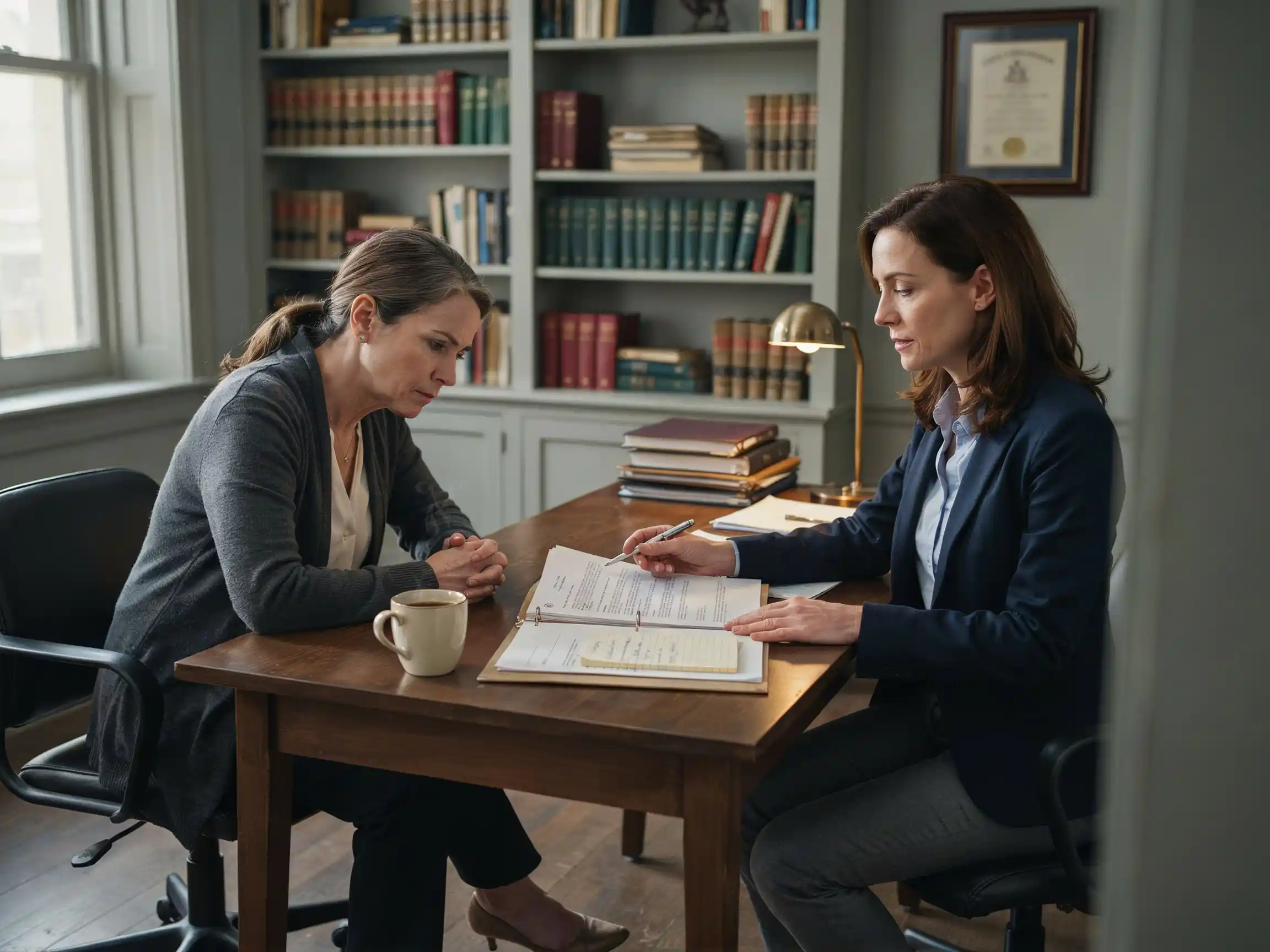
Contract law

So How Much Can You Actually Sue for Breach of Contract?

Let’s talk about money, because that’s really what most people need to know.

Breach of contract damages aren’t designed to punish the other party. The law’s goal is to put you back in the position you would have been in if the contract had been honored. That framing matters, because it defines what you can recover.

Compensatory damages — also called direct damages — are the clearest. Say the contractor you hired walked off the job halfway through. You had to bring in someone else, and that someone else charged more. The difference between what you originally paid and what you ended up spending is a direct, provable loss.

Consequential damages go further. These cover downstream losses that resulted from the breach — things beyond the face value of the contract itself. If a vendor failed to deliver on time and you missed a product launch because of it, the revenue you lost during that window may be recoverable — but only if that kind of loss was reasonably foreseeable when the contract was made. Both sides had to understand what was at stake.

Specific performance is a different kind of remedy entirely — and it’s less common. It mostly comes up in real estate contracts, where money isn’t a good substitute for what was promised because the property itself is unique. In those cases, a court can actually order the other party to follow through on the sale.

Rescission wipes the slate clean. The contract gets treated as if it never existed, and both parties return to where they started. This usually comes into play when the breach is so significant that trying to enforce the original terms no longer makes sense.

When Should You Call a Breach of Contract Lawyer?

Sooner than you think.

Most people’s first instinct is to try to resolve things directly — a phone call, a strongly worded email, maybe a heated text thread. And sometimes that works. A lot of contract disputes do get resolved without lawyers involved, and there’s nothing wrong with trying that first.

But while you’re waiting and hoping the other person comes around, time is moving. Evidence disappears. Emails get deleted. Witnesses forget details. And statutes of limitations are running in the background whether you’re paying attention to them or not.

In Alabama, you have six years to file a breach of contract lawsuit on a written agreement, and six years on an oral one. Georgia gives you six years for written contracts and four for verbal agreements. Florida allows five years for written contracts and four for oral ones. Mississippi has a flat three-year limit.

breach of contract claim

Three to six years sounds like a long runway. But cases take time to build, and the longer you wait, the harder that becomes. For oral contracts sitting at the shorter end of that window, the clock moves faster than most people expect.

There’s also something to be said for what happens when a contract enforcement lawyer gets involved early. A letter from a law firm lands differently than a personal email. People who’ve been ignoring you for weeks have a funny way of suddenly becoming responsive when they receive formal correspondence laying out exactly what they owe and what the legal consequences look like if they don’t act.

How More 2 You Law Handles These Cases

At More 2 You Law, P.C., we handle contract disputes for individuals and businesses across Alabama, Florida, Georgia, and Mississippi.

Contractors who took the money and ran. Business partners who quietly checked out. Vendors who cost you real money when they failed to deliver. We’ve seen all of it, and we know how to build these cases.

We’ll be straight with you from the first conversation. If a breach of contract claim has real merit and the damages are worth pursuing, we go after everything the law provides. If it doesn’t make financial sense to pursue, we’ll tell you that too — because running up fees on a case that won’t pay out doesn’t help anyone.

Contingency fee of 25% or less. Most firms charge considerably more. Whatever we save you on fees stays in your pocket.

No fee unless we win.

Call 888.645.2222 or visit more2you.beehivesandiego.com for a free case evaluation.

FAQs

Can I sue for emotional distress on top of my financial losses?

Contract law is built around economic losses — it’s not really designed to compensate for emotional harm. In most cases, you can’t recover damages for stress or anxiety from a breach alone. The exception is when the breach was tied to intentional misconduct, fraud, or physical injury. If the other party deliberately set out to deceive you, there may be additional claims layered on top that open the door to non-economic damages. Worth discussing with an attorney.

What if the contract says I have to go to arbitration instead of court?

 Arbitration clauses are generally enforceable across all four states. Arbitration is basically a private version of a legal dispute — quicker than going to court in many cases, but it plays by different rules. A contract dispute attorney will look at whether the clause was properly written, whether it actually applies to your specific situation, and what the arbitration process would look like for your case.

The other party is claiming I was the one who breached first. Now what?

This is more common than you’d think, and it doesn’t automatically kill your case. Courts look at which breach was material and who bears the greater responsibility. If you had a minor hiccup and they had a major failure, you may still have a solid breach of contract lawsuit. These situations are genuinely fact-specific — a lot depends on the details of what happened and in what order.

Do I need a damages clause in the contract to recover anything?

No. If your contract doesn’t spell out damages, courts still apply standard contract damages principles — your recovery isn’t limited because the contract was silent on it. If there is a liquidated damages clause, that typically controls what you can recover, as long as it was written as a reasonable estimate of actual losses rather than a penalty designed to punish.

Can I make them pay my attorney’s fees?

In most contract disputes, each side covers its own legal costs — unless the contract itself includes a fee-shifting clause, or state law specifically allows for it. Some consumer contracts and certain types of statutory claims do allow attorney’s fee recovery. Your attorney will flag this early on if it applies to your situation.

What happens if the other party files for bankruptcy?

This complicates things, but it doesn’t necessarily end your case. When someone files for bankruptcy, an automatic stay kicks in and halts most collection efforts. Your breach of contract claim becomes part of the bankruptcy proceeding, and how much you recover depends on the type of bankruptcy, how your claim is classified, and what assets actually exist. If you have any reason to think the other party is heading toward bankruptcy, get a contract lawyer involved now — before things get worse.

Is there a dollar minimum to make a case worth pursuing?

Not legally, but practically, yes. Very small claims are often better handled through small claims court than through full litigation — it’s faster and cheaper for everyone. A good attorney will give you a straight answer on whether the amount at stake justifies the process, or point you toward a more practical path if it doesn’t.

What if the person I contracted with was under 18?

Contracts with minors are tricky. Generally, the minor can choose to void the agreement — but the adult party can’t. There are exceptions for things like food, housing, and other necessities. If you signed a legally binding contract with someone who turned out to be under 18 at the time, talk to a breach of contract attorney about where you actually stand.

RECENT POSTS

When Should You Hire a Brain Injury Attorney After a Traumatic Head Injury?

When Should You Hire a Brain Injury Attorney After a Traumatic Head Injury?

When Should You Hire a Brain Injury Attorney After a Traumatic Head Injury?

The emergency room visit is over in a blur. You’re sent home with instructions to rest, stay off screens, and schedule a follow-up with your doctor. The scans came back clean. No fracture, no surgery, no visible damage.

Then three weeks pass, and something still isn’t right.

You’re struggling to concentrate at work. Words disappear mid-conversation. You wake up exhausted even after a full night’s sleep. The people closest to you start noticing changes before you’re even willing to admit them yourself.

This is the reality of traumatic brain injuries — they don’t always look serious from the outside, and that’s precisely what makes them so dangerous, both medically and legally. It’s also why knowing when to hire a brain injury attorney can make an enormous difference in what you recover.

Whether it’s gathering evidence, negotiating with insurance companies, or representing clients in court, More 2 You handles every aspect with utmost professionalism and dedication.

Why TBI Cases Are Different From Any Other Personal Injury Claim

A broken bone follows a fairly predictable healing path. The brain doesn’t work that way. Recovery from a traumatic brain injury is unpredictable, sometimes incomplete, and the lasting effects — problems with memory, mood, behavior, and cognitive function — can take months or even years to fully surface.

That unpredictability creates a serious legal problem. Insurance companies are well aware that injured people in the early weeks after a TBI are still processing what happened to them. They also know that once you sign a settlement, you release every future claim — including the ones you don’t know about yet.

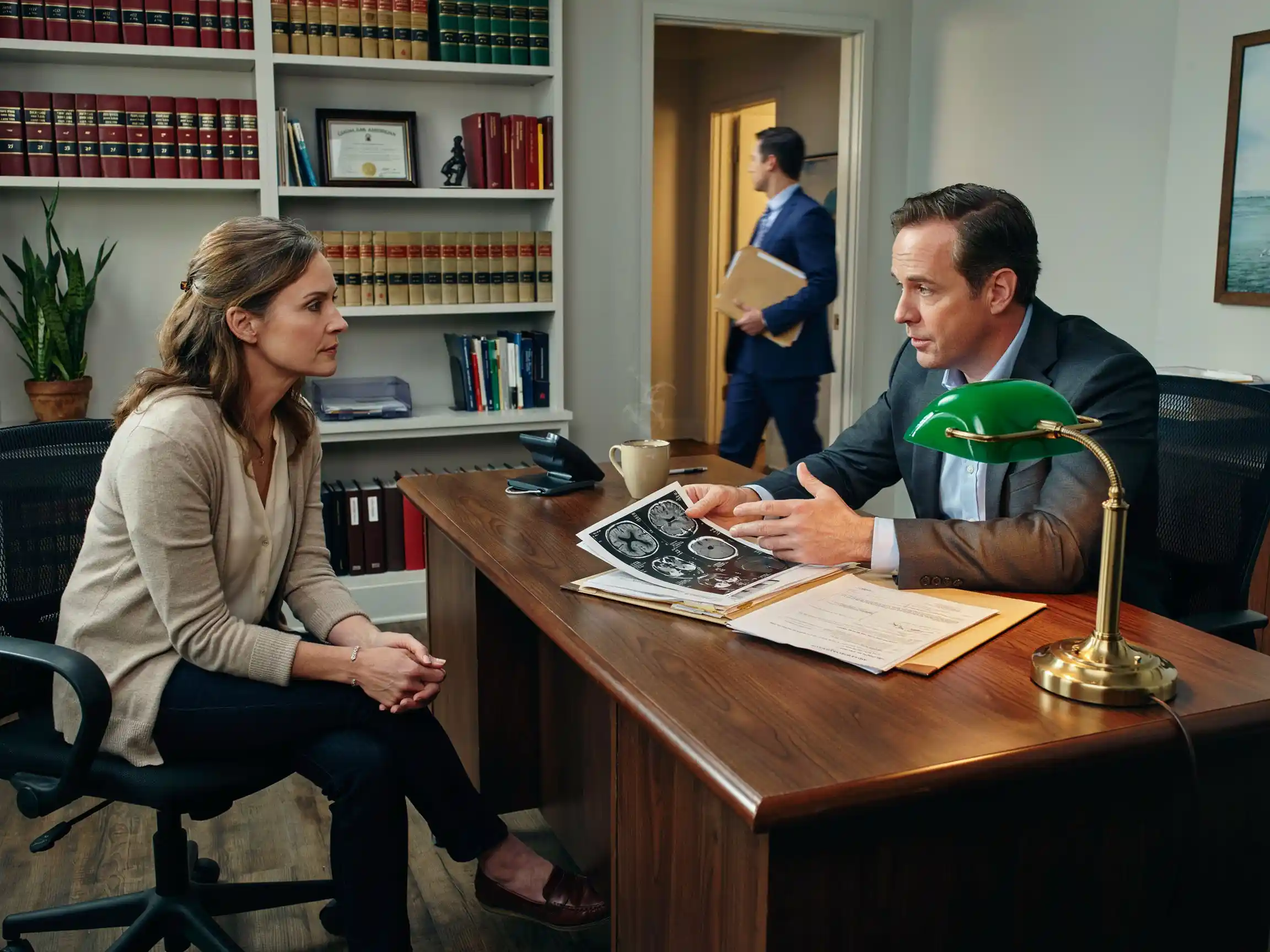
A traumatic brain injury lawyer’s job is partly to slow that process down. Before anyone starts negotiating numbers, the full scope of your injury needs to be properly documented.

Traumatic Head Injury
Slip and fall incidents

What Causes a TBI That Leads to a Legal Claim?

Not every head injury involves someone else’s fault — but a large number do. Across Alabama, Florida, Georgia, and Mississippi, brain injury claims most commonly stem from:

Car and truck accidents — serious collisions where the brain slams against the inside of the skull even without a direct impact to the head. Commercial truck accidents, given the forces involved, tend to cause the most severe TBI cases.

Workplace accidents — falls from height, equipment failures, and construction site incidents where safety protocols were ignored or simply never existed. If an employer or third-party contractor’s negligence caused your injury, you may have a civil claim that goes beyond workers’ compensation.

Slip and fall incidents — particularly on commercial or government-owned property where a hazardous condition was known and left unaddressed. Premises liability cases involving brain injuries are far more complex than a standard fall claim.

Medical malpractice — oxygen deprivation during surgery, errors in anesthesia, or a failure to diagnose and treat a brain bleed in time. These cases overlap with medical negligence law and require attorneys who are comfortable working in both areas.

Defective products — helmets that failed under normal use, airbags that deployed incorrectly, or protective sports equipment that didn’t perform as marketed.

The cause shapes everything: who the defendants are, what insurance policies apply, and what legal standards your attorney needs to meet before making any demands.

Why Settling Too Early Can Devastate Your Case

Here’s something insurance companies are not going to tell you: the real value of a traumatic brain injury claim cannot be properly measured in the first few weeks — or even the first few months — after the injury occurs.

Medical research is clear on this. TBI symptoms evolve. What initially looks like a mild concussion can be revealed as something far more serious once formal neuropsychological testing is completed months down the road.

When you settle early, you’re settling based only on what’s visible right now. The future costs — ongoing medical treatment, long-term therapy, reduced earning capacity if you can no longer perform your job — don’t get properly factored in when your diagnosis is still developing.

A head injury lawsuit resolved before you’ve reached maximum medical improvement almost always leaves significant money behind. Sometimes the gap is enormous.


head injury lawsuit

Your brain injury attorney should be telling you to wait, not pushing you toward a quick resolution. If anyone is encouraging you to settle before your doctors have a complete picture, that’s a serious warning sign.

Brain Injury Attorney

What a Brain Injury Attorney Actually Does for You

Handling a TBI claim requires a level of medical coordination that separates it from most personal injury cases. Here’s where the real legal work happens:

Building neurological documentation. Your attorney works with neurologists, neuropsychologists, and rehabilitation specialists to create a complete clinical record of your injury. Cognitive testing, imaging results, and functional assessments form the medical foundation the case is built on.

Life care planning. In serious TBI cases, attorneys bring in life care planners — medical professionals who project the full cost of your care across your entire lifetime. That number becomes central to what the claim demands.

Vocational impact analysis. If the injury affects your ability to work at your previous level, a vocational expert calculates what that loss in earning capacity is worth over your remaining working years.

Liability investigation. Reconstructing exactly what happened, how, and why — using accident reconstruction experts, witness statements, surveillance footage, and employer records — starts immediately. Evidence doesn’t wait around.

Serious settlement negotiation. Insurance companies respond very differently to a meticulously documented file than they do to a thin demand letter. The strength of what your attorney builds determines how seriously the other side engages from the start.

What Compensation Is Available in a Brain Injury Claim

A brain damage claim is designed to address both your current losses and the costs that will follow you for years to come. Compensation typically covers:

  • All medical expenses tied to the injury — emergency care, hospitalization, diagnostic imaging, specialist visits, and rehabilitation
  • Future medical costs projected through the life care plan, including therapy, medication, and in-home care if needed
  • Lost wages from the time you were unable to work after the injury
  • Diminished earning capacity if your cognitive or physical limitations prevent you from returning to the same income level
  • Pain and suffering — courts and juries across Alabama, Florida, Georgia, and Mississippi recognize that living with the daily effects of a brain injury deserves meaningful compensatio


Brain Injury Claim

In cases where a TBI proves fatal, the family’s wrongful death claim runs parallel to the personal injury case and addresses the family’s own financial and emotional losses separately.

Occupational Safety and Health Administration

Filing Deadlines by State

Alabama allows two years from the date of the injury to file a personal injury lawsuit. Florida’s statute of limitations for negligence claims runs two years from when the injury occurred or was discovered. Georgia follows a two-year window from the date of the accident. Mississippi allows three years for general personal injury claims, though certain circumstances can shorten that timeline.

The clock runs whether you feel ready to deal with it or not. And critical evidence — security footage, incident reports, employer records, witness recollections — deteriorates fast. Waiting almost always costs more than people expect.

Talk to More 2 You Law Before You Accept Anything

At More 2 You Law, P.C., we represent TBI victims and their families across Alabama, Florida, Georgia, and Mississippi. We work alongside neurological experts, life care planners, and vocational specialists to build cases that reflect the full long-term impact of serious brain injuries — not just what shows up in the first medical report.

We charge 25% or less in contingency fees. Most firms charge between 33% and 45%. That difference can put tens of thousands of dollars — sometimes far more — directly back in your pocket.

No fee unless we win.

Call 888.645.2222 or visit more2you.beehivesandiego.com for a free, no-obligation consultation.

FAQs

1. I was told my TBI was “mild” — does that mean I don’t have a case? 

“Mild” in medical terminology refers to the initial severity classification, not the long-term impact. Many mild TBI patients experience symptoms that persist for months or years and significantly affect their ability to work and function. The legal value of your case is based on actual documented harm, not the initial clinical label.

2. What if I wasn’t wearing a helmet or seatbelt at the time of injury? 

Comparative fault rules apply differently across states. In Georgia and Mississippi, your own negligence reduces but doesn’t necessarily eliminate your recovery. Alabama follows a contributory negligence rule that is stricter — a finding that you contributed to the accident could bar recovery entirely. Your attorney will advise based on your specific state and circumstances.

3. Can family members of a TBI victim file a claim for their own losses? 

In some circumstances, yes. Loss of consortium claims allow a spouse to seek compensation for the loss of companionship, support, and intimacy caused by the injury. Some states also permit claims for other immediate family members depending on the nature of the injury and its impact on family relationships.

4. How is a TBI case valued differently than other personal injury claims? 

The long-term and often permanent nature of brain injuries significantly elevates case values compared to injuries with cleaner recovery timelines. Life care plans, vocational loss analyses, and neuropsychological expert testimony all contribute to a damages picture that can reach into the millions for serious cases. No two TBI cases are valued the same way.

5. What if symptoms didn’t appear until weeks after the accident? 

Delayed onset of TBI symptoms is medically well-documented and doesn’t weaken your case. What matters is establishing the causal link between the accident and the injury through medical records, imaging, and expert testimony. Your attorney will work to document that connection clearly.

6. Can I still pursue a TBI claim if the accident happened at work? 

Yes — but it gets layered. Workers’ compensation covers workplace injuries, but it doesn’t compensate for pain and suffering or full lost earning capacity. If a third party — a contractor, equipment manufacturer, or another driver — caused the accident, a separate personal injury claim may be available on top of the workers’ comp case. Both should be explored.

7. What’s the difference between a concussion claim and a traumatic brain injury claim?

Legally, there’s no separate category for concussion versus TBI — both are brain injuries and both can form the basis of a personal injury claim. The distinction matters medically in terms of severity and prognosis. From a legal standpoint, the key question is always the same: what harm resulted, and what is it worth over the full trajectory of the injury?

8. How do I know if my TBI attorney is experienced enough to handle my case? 

Ask specifically whether they’ve handled catastrophic brain injury cases before, whether they work with neuropsychological experts and life care planners, and what their approach is to settlement timing. An attorney who pushes for early resolution on a serious TBI case is not protecting your interests. The right attorney will tell you to wait until the medical picture is complete.


RECENT POSTS

Do You Need a Misdiagnosis Lawyer If Your Doctor Got It Wrong?

Do You Need a Misdiagnosis Lawyer If Your Doctor Got It Wrong?

Do You Need a Misdiagnosis Lawyer If Your Doctor Got It Wrong?

Picture this — you sit in a physician’s office, describe your symptoms, and leave with an incorrect diagnosis that simply doesn’t add up. You comply with the treatment plan anyway. Why wouldn’t you? This person completed years of medical training. Six months later, a second opinion reveals the truth: a critical condition was overlooked, and the opportunity for early intervention is now far more limited than it ever should have been. If this sounds familiar, consulting a Misdiagnosis Lawyer may be the most important step you take next.

That scenario unfolds in clinical settings across Alabama, Florida, Georgia, and Mississippi far more frequently than healthcare providers care to admit. A failure to diagnose — or a delayed diagnosis — can constitute medical negligence, and yet most patients never fully grasp their legal rights, the strength of their potential malpractice claim, or the compensation they may be entitled to pursue until the statute of limitations is dangerously close to expiring.

Whether it’s gathering evidence, negotiating with insurance companies, or representing clients in court, More 2 You handles every aspect with utmost professionalism and dedication.

What Actually Qualifies as a Misdiagnosis?

People tend to assume that any wrong diagnosis means a doctor did something wrong. That’s not quite how the law sees it. Medicine involves judgment calls, and not every incorrect conclusion means negligence occurred.

A legitimate misdiagnosis claim takes one of three forms.

The first is a flat-out wrong diagnosis — your doctor lands on the incorrect condition and you receive treatment aimed at the wrong problem. Meanwhile, the real issue keeps progressing. A man with early-stage colon cancer being treated for irritable bowel syndrome for eight months. A woman whose heart attack symptoms get labeled as anxiety and sent home with a referral to therapy.

medical negligence claim

The second is delayed diagnosis — the right answer eventually comes, but far too late. The condition existed, the signs were there, and a reasonably attentive physician in that specialty should have caught it. Catching cancer at stage three instead of stage one because warning markers were ignored isn’t bad luck. It’s a failure with consequences.

The third is failure to diagnose entirely — a condition that never gets identified at all, discovered only when the damage becomes impossible to ignore or a different provider catches what the first one missed.

Each one of these can support a medical negligence claim, but only when real harm followed the error. That distinction matters enormously.

diagnostic error claim

The Four Things Your Case Must Prove

Even with a clear diagnostic mistake on the table, winning a wrong diagnosis lawsuit requires establishing four specific things. A good misdiagnosis lawyer walks into every case knowing these have to hold up under scrutiny.

There was a treatment relationship. You were this doctor’s patient. They owed you a duty of care. Without that formal relationship, there’s no legal foundation.

The standard of care was violated. This is where most cases actually turn. The question isn’t whether the doctor was wrong — it’s whether their diagnostic process fell below what a competent, similarly trained physician would have done in the same situation. Other medical professionals, usually specialists in the same field, provide testimony on this point.

That violation caused your injury. This is the causation argument, and insurance defense teams attack it hard. They’ll argue the underlying condition — not the missed diagnosis — caused the harm. Your attorney has to show that earlier or accurate diagnosis would have produced a measurably better outcome.

You suffered real, documented damages. Physical injury, financial loss, additional medical costs, lost income — tangible harm must exist. The strength of your damages evidence heavily influences what the case is ultimately worth.

Conditions That Get Misdiagnosed Most Often

Certain medical conditions show up in diagnostic error claims with striking regularity. If your situation involves any of the following, a conversation with a delayed diagnosis attorney is worth having sooner rather than later.

Cancer tops the list — specifically breast, lung, colorectal, and cervical cancers. Early-stage tumors can look unremarkable on imaging, and symptoms often overlap with far less serious conditions. But the cost of catching cancer late is measured in stages, in treatment options lost, sometimes in years.

Cardiac events — heart attacks and strokes — are frequently misread, particularly in women under sixty, whose symptoms often don’t match the textbook presentations physicians are trained to recognize. Fatigue, nausea, and jaw pain don’t look like a heart attack to someone expecting chest pressure and left arm pain.

delayed diagnosis attorney

Pulmonary embolism, sepsis, meningitis, and appendicitis round out the most common. All share a feature that makes missed diagnosis especially dangerous: time is the variable that determines whether the patient survives and recovers, or survives with lasting damage, or doesn’t survive at all.

wrongful death claim in Florida

What You Can Recover in a Misdiagnosis Case

The compensation available in a diagnostic error claim covers more ground than most people expect. It’s not just about reimbursing your immediate medical bills.

Past and future medical expenses related to the harm caused or worsened by the misdiagnosis are recoverable. If the delayed diagnosis meant you needed a more aggressive, expensive treatment course than early detection would have required, that cost difference matters.

Lost wages during recovery are included. So is reduced earning capacity if the diagnostic failure left you with permanent physical limitations affecting your ability to work.

Pain and suffering — both the physical experience and the emotional toll — forms a significant portion of most settlements. Watching a treatable condition advance because someone didn’t do their job carries real psychological weight that the law recognizes.

Where the negligence contributed to a patient’s death, the surviving family has a separate wrongful death claim that addresses their own losses alongside those of the deceased.

How the Statute of Limitations Works Across All Four States

This is the part nobody wants to hear, but it matters more than almost anything else in deciding whether to act now or wait.

In Alabama, you have two years from the date of injury — or from the date you discovered the injury — to file a medical malpractice claim. In Florida, the same two-year window applies from discovery of the injury. Georgia gives patients two years from the date the negligence was discovered or should reasonably have been discovered. Mississippi runs two years from the date the negligent act occurred.


medical malpractice claim in Alabama

Each state has limited exceptions, but they’re narrow. Missing the filing window doesn’t just weaken your case — it ends it. Whatever the facts, whatever the evidence, a lapsed statute of limitations closes the courthouse door permanently.

If something feels wrong about how your diagnosis was handled, get a legal opinion before you convince yourself there’s more time.

How More 2 You Law Fights These Cases

At More 2 You Law, P.C., we handle misdiagnosis and medical negligence cases for clients in Alabama, Florida, Georgia, and Mississippi. From the moment we take a case, we’re building it for trial — because the strongest settlements come from cases the other side knows are ready to go in front of a jury.

We work with credentialed medical experts, dig into the full treatment record, and go after the damages our clients actually deserve rather than the quick resolution that benefits everyone except them.

Our contingency fee is 25% or less — significantly lower than the 33% to 45% that most firms charge. On a serious case, that gap can mean hundreds of thousands of dollars staying with the person who actually suffered.

No fee unless we win.

Call 888.645.2222 or visit more2you.beehivesandiego.com to talk through your case at no cost.

FAQs

1. My doctor genuinely seemed to try hard — does that mean I don’t have a case?

Good intentions don’t determine liability. The legal standard is whether the diagnostic process met accepted medical practice — not whether the physician was attentive or caring. A well-meaning doctor who still failed to order necessary tests or properly interpret results can be held liable for the harm that followed.

2. What if I went to multiple doctors and they all missed it?

That situation can actually strengthen a case rather than weaken it. When several providers in a row fail to identify a condition that a competent specialist should have caught, it points to a more systemic failure. Each provider may carry separate liability depending on their role in your care.

3. Can I bring a misdiagnosis claim if the condition was rare or difficult to diagnose?

Rarity matters but doesn’t automatically protect a physician. The question is whether the condition was rare enough that a competent doctor in that specialty couldn’t reasonably have identified it — and whether the physician took appropriate steps to rule out serious conditions before settling on a benign explanation. A specialist in that field would testify on what the standard required.

4. Does the misdiagnosis have to be the direct cause of my condition getting worse? 

Yes — causation is essential. You must be able to show that the diagnostic error, specifically, worsened your outcome beyond what the underlying condition alone would have caused. This is where expert medical testimony becomes critical, as your attorney must demonstrate what a timely correct diagnosis would have changed.

5. What if the misdiagnosis happened in an emergency room? 

Emergency rooms operate under the same standard of care obligations as any other medical setting. ER physicians are required to perform reasonable diagnostic evaluations and appropriately refer patients who need further workup. Misdiagnosis in an emergency room setting is a recognized category of medical malpractice.

6. How much does it cost to hire a misdiagnosis lawyer? 

At More 2 You Law, the answer is nothing upfront. We work on contingency, which means you pay no legal fees unless and until we recover compensation for you. Our contingency rate of 25% or less means more of your settlement stays with you compared to most other firms.

7. Can a misdiagnosis claim be filed if the patient passed away? 

Yes. When a diagnostic error contributed to a patient’s death, surviving family members — typically a spouse, children, or parents — may file a wrongful death claim. These claims address the family’s own financial losses as well as the suffering and lost companionship resulting from the death.

8. What records should I start gathering if I suspect a misdiagnosis? 

Request your complete medical records from every provider involved — office visit notes, imaging reports, lab results, referral records, prescription histories. Also gather records from any subsequent providers who identified what the original physician missed. The paper trail between what was seen and what was missed is the foundation of your case.


RECENT POSTS

What Is an Uninsured Motorist Claim and How Does It Work?

What Is an Uninsured Motorist Claim and How Does It Work?

What Is an Uninsured Motorist Claim and How Does It Work?

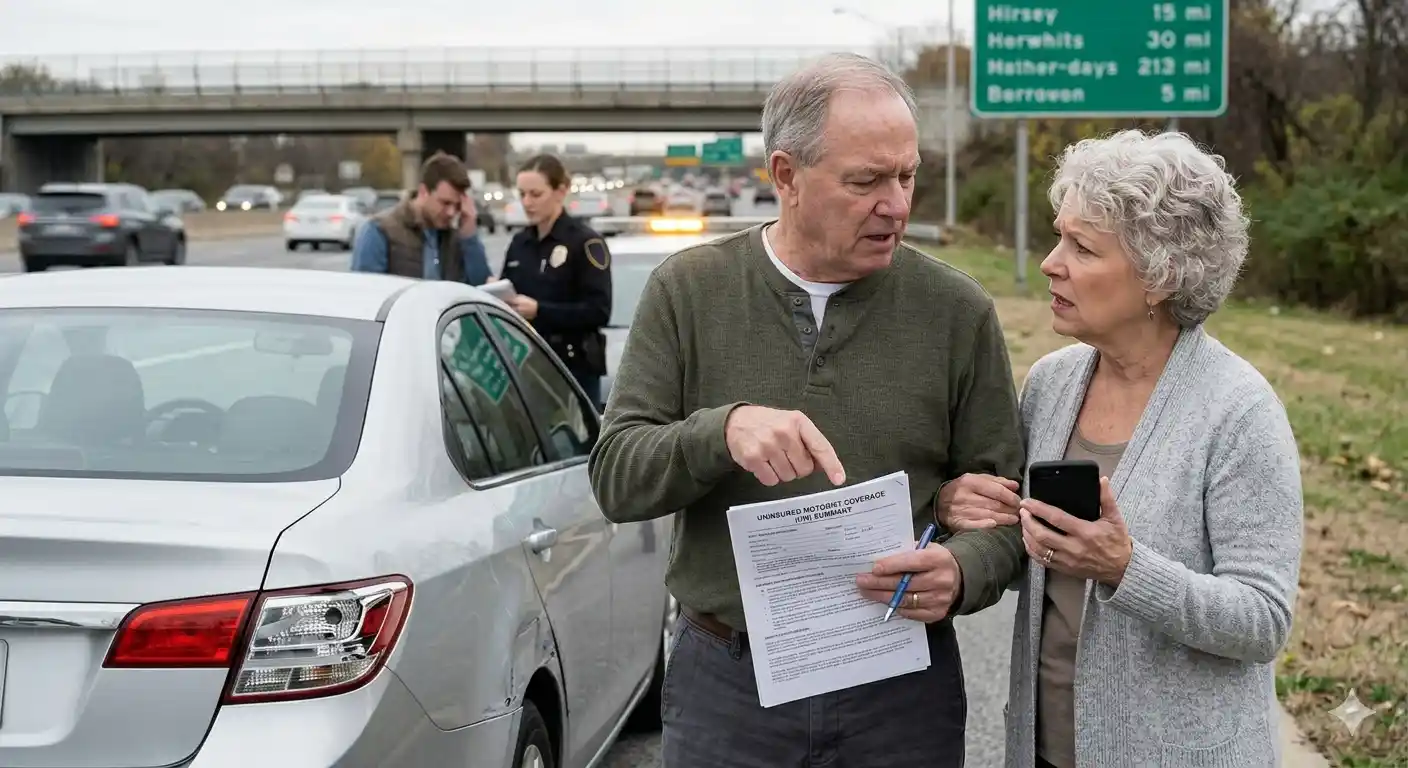
A car accident is already overwhelming—but it becomes even more financially stressful when the at-fault driver does not have insurance. Unfortunately, this situation is more common than many people realize. When this happens, your financial recovery depends on something called an uninsured motorist claim.

An uninsured motorist claim allows you to seek compensation through your own insurance policy when the negligent driver cannot pay for your losses. It is one of the most important protections available under modern auto insurance policies.

At More 2 You Law, we help injured victims understand their rights and navigate the complex insurance claim process so they can recover fair compensation for medical bills, lost wages, and pain and suffering.

This guide explains everything you need to know about uninsured motorist claims, including how they work, what they cover, and how to maximize your settlement.

Whether it’s gathering evidence, negotiating with insurance companies, or representing clients in court, More 2 You handles every aspect with utmost professionalism and dedication.

Understanding an Uninsured Motorist Claim

An uninsured motorist claim (UM claim) is a type of insurance claim you file with your own insurance company when the driver responsible for your accident has no liability insurance.

In simple terms, it steps in when the at-fault driver cannot.

This coverage typically applies in situations such as:

  • The at-fault driver has no auto insurance
  • The driver flees the scene (hit-and-run accident)
  • The driver’s insurance policy is invalid or expired
UM claim

Why UM Coverage Exists

Uninsured motorist coverage exists to protect responsible drivers from bearing the financial burden of someone else’s negligence. Without it, victims would often be forced to pay medical expenses and vehicle repairs out of pocket.

Uninsured Motorist vs Underinsured Motorist Coverage

It’s important to distinguish between two closely related concepts:

Uninsured Motorist Coverage (UM)

This applies when the at-fault driver has no insurance at all.

Underinsured Motorist Coverage (UIM)

This applies when the at-fault driver has insurance, but not enough coverage to fully compensate your damages.

For example, if your medical bills total $50,000 but the at-fault driver only carries $25,000 in liability coverage, your UIM coverage may help cover the difference.

Together, UM and UIM coverage provide a crucial financial safety net after serious accidents.

Uninsured Motorist in Alabama

When Can You File an Uninsured Motorist Claim?

You may be eligible to file an uninsured motorist claim in several scenarios:

1. Car Accidents with Uninsured Drivers

If the driver who caused the crash has no liability insurance, you can file a UM claim with your own insurer.

2. Hit-and-Run Accidents

If the at-fault driver leaves the scene and cannot be identified, your policy may treat this as an uninsured motorist situation.

3. Expired or Invalid Insurance Policies

If the other driver’s insurance is not valid at the time of the accident, UM coverage may apply.

4. Pedestrian or Bicycle Accidents

If you are hit by an uninsured driver while walking or cycling, you may still qualify for UM benefits.

Step-by-Step Process of Filing an Uninsured Motorist Claim

Understanding the claim process can help you avoid delays and mistakes.

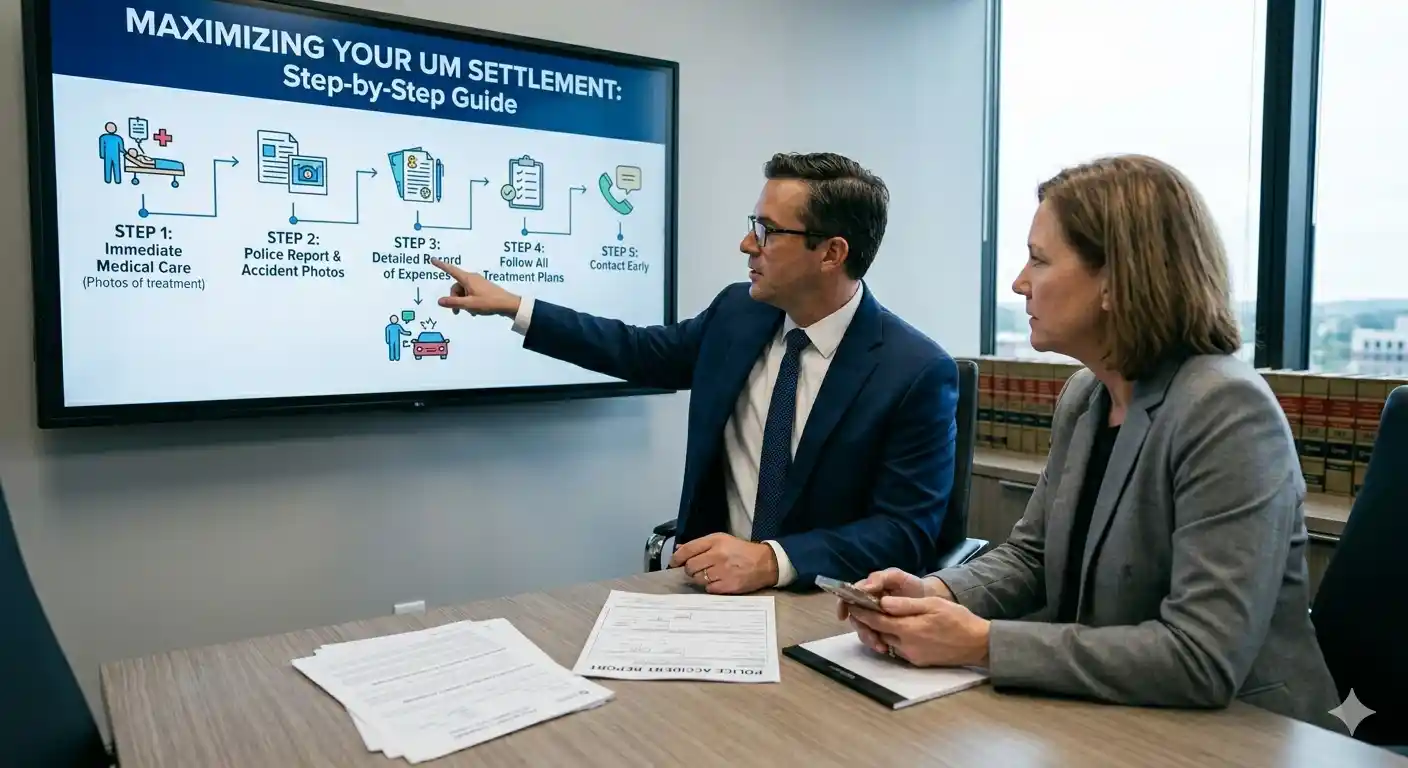
Step 1: Report the Accident Immediately

Call the police and ensure a formal accident report is created. This document is essential for your claim.

Step 2: Notify Your Insurance Company

You must inform your insurer that you intend to file an uninsured motorist claim. Timely reporting is critical.

Step 3: Gather Strong Evidence

Evidence strengthens your claim and includes:

  • Police reports
  • Photos of the accident scene
  • Medical records and bills
  • Witness statements
  • Vehicle damage reports

Step 4: File the Claim

You submit your uninsured motorist claim with all supporting documents to your insurance company.

Step 5: Insurance Investigation

The insurer evaluates:

  • Fault determination
  • Extent of injuries
  • Policy coverage limits
  • Validity of medical treatment

Step 6: Settlement Negotiation

Once the insurer completes its review, they may offer a settlement. You can accept or negotiate for a higher amount—often with legal support.

accident victims

What Does an Uninsured Motorist Claim Cover?

A successful UM claim may provide compensation for several types of damages.

Medical Expenses

This includes all injury-related medical costs such as:

  • Emergency treatment
  • Hospital stays
  • Surgery
  • Physical therapy
  • Prescription medications
  • Future medical care

Lost Income

If your injuries prevent you from working, you may recover:

  • Lost wages
  • Reduced earning capacity
  • Long-term disability income loss

Pain and Suffering

Non-economic damages can include:

  • Physical pain
  • Emotional distress
  • Anxiety after the accident
  • Reduced quality of life

Property Damage

In many policies, UM coverage also helps pay for vehicle repairs or replacement.

car accident lawyer

Why Uninsured Motorist Claims Are Often Underpaid

Even though you are filing with your own insurance company, that does not guarantee fair treatment.

Insurance companies may reduce payouts due to:

Lack of Documentation

Insufficient medical records or accident evidence can weaken your claim.

Disputed Liability

Insurers may argue you were partially or fully at fault.

Questioning Medical Treatment

They may claim your treatment was unnecessary or excessive.

Policy Limit Issues

Many victims misunderstand their actual coverage limits.

Insurance Company Tactics

Delays, low settlement offers, and repeated requests for documentation are common.

More 2 you lawyers

How Fault Impacts an Uninsured Motorist Claim

Even though you are dealing with your own insurance company, fault still matters.

Insurers consider:

  • Police reports
  • Traffic law violations
  • Witness testimony
  • Video or dashcam evidence
  • Accident reconstruction analysis

If liability is disputed, your claim may take longer and require additional evidence.

How Much Is an Uninsured Motorist Claim Worth?

The value of an uninsured motorist claim depends on multiple factors:

  • Severity of injuries
  • Medical expenses (current and future)
  • Lost wages and earning capacity
  • Pain and suffering
  • Insurance policy limits

Example:

A minor injury case may settle for a few thousand dollars, while severe injury cases involving surgery or permanent disability may result in significantly higher compensation.

How a Car Accident Lawyer Can Help Your Claim

Working with a car accident lawyer can significantly improve your chances of receiving fair compensation.

At More 2 You Law, legal support typically includes:

Investigating the Accident

Building a strong case with evidence and expert analysis.

Handling Insurance Companies

Protecting you from unfair tactics and low settlement offers.

Calculating Full Damages

Ensuring all losses are included, such as future medical care and lost earning capacity.

Negotiating Settlements

Fighting for maximum compensation based on your injuries.

Litigation if Necessary

If the insurer refuses to act fairly, legal action may be taken.

Uninsured Motorist Claim vs Personal Injury Lawsuit

It’s important to understand the difference:

Uninsured Motorist Claim

  • Filed with your own insurance company
  • Faster resolution in many cases
  • Based on policy limits

Personal Injury Lawsuit

  • Filed against the at-fault driver
  • May result in higher compensation
  • Can take longer to resolve

In some cases, both options may be pursued strategically depending on the situation.

How Long Does an Uninsured Motorist Claim Take?

The timeline varies depending on:

  • Severity of injuries
  • Complexity of evidence
  • Insurance company cooperation
  • Disputes over liability or damages

Simple cases may resolve within weeks, while complex cases can take several months or longer.

Having legal representation often helps speed up the process by preventing unnecessary delays.

Tips to Strengthen Your Uninsured Motorist Claim

To improve your chances of success:

  • Seek immediate medical attention
  • Keep detailed records of all expenses
  • Follow all treatment plans
  • Document injuries with photos
  • Avoid discussing your case on social media
  • Contact a lawyer early

These steps help build a stronger and more valuable claim.

Why Choose More 2 You Law for Your Case?

Dealing with an uninsured driver can be financially devastating—but you don’t have to handle it alone.

More 2 You Law is committed to helping accident victims recover the compensation they deserve through aggressive negotiation and personalized legal support.

We focus on:

  • Protecting your rights
  • Maximizing your settlement
  • Handling insurance companies for you
  • Reducing stress during recovery

Our goal is simple: help you move forward financially and physically after an accident.

Conclusion: 

An uninsured motorist claim is one of the most important protections available to drivers today. It ensures that you are not left financially responsible for someone else’s negligence.

However, successfully navigating the insurance claim process requires strong evidence, careful documentation, and often professional legal guidance.

If you’ve been injured in an accident involving an uninsured or underinsured driver, understanding your rights is the first step toward recovery—and taking action quickly can make a major difference in your outcome.

FAQs

1. Can I file an uninsured motorist claim if I was partially at fault for the accident?

Yes, in many cases you still can. Even if you share some responsibility for the crash, you may be eligible for compensation under your uninsured motorist claim, depending on your state’s comparative negligence rules and your policy terms. Your payout may be reduced based on your percentage of fault, but it is not always completely denied.

2. Will filing an uninsured motorist claim increase my insurance premium?

Generally, filing an uninsured motorist claim is treated differently than a standard at-fault accident claim. In many cases, insurers do not increase premiums solely because you used UM coverage. However, premium adjustments can still depend on your insurer’s policies, driving history, and claim frequency.

3. What if my insurance company denies my uninsured motorist claim?

If your claim is denied, you are not without options. You can:

  • Request a written explanation for the denial
  • Provide additional evidence or documentation
  • Appeal the decision through your insurer’s internal process
  • Pursue arbitration or legal action if necessary

A denial does not always mean the end of your claim.

4. Is there a time limit to file an uninsured motorist claim?

Yes. Every insurance policy includes a notice requirement and filing deadline, which can vary depending on the insurer and state law. Some policies require you to report the accident “promptly” or within a specific number of days. Missing these deadlines can seriously affect your ability to recover compensation.

5. Can uninsured motorist coverage include compensation for passengers in my car?

Yes. In most cases, uninsured motorist coverage extends to passengers in your vehicle at the time of the accident. They may also be eligible to file a claim under your policy for injuries, depending on the coverage terms and policy limits.


RECENT POSTS

Insurance Bad Faith Attorney: What to Do When Your Insurance Company Treats You Unfairly

Insurance Bad Faith Attorney: What to Do When Your Insurance Company Treats You Unfairly

Insurance Bad Faith Attorney: What to Do When Your Insurance Company Treats You Unfairly

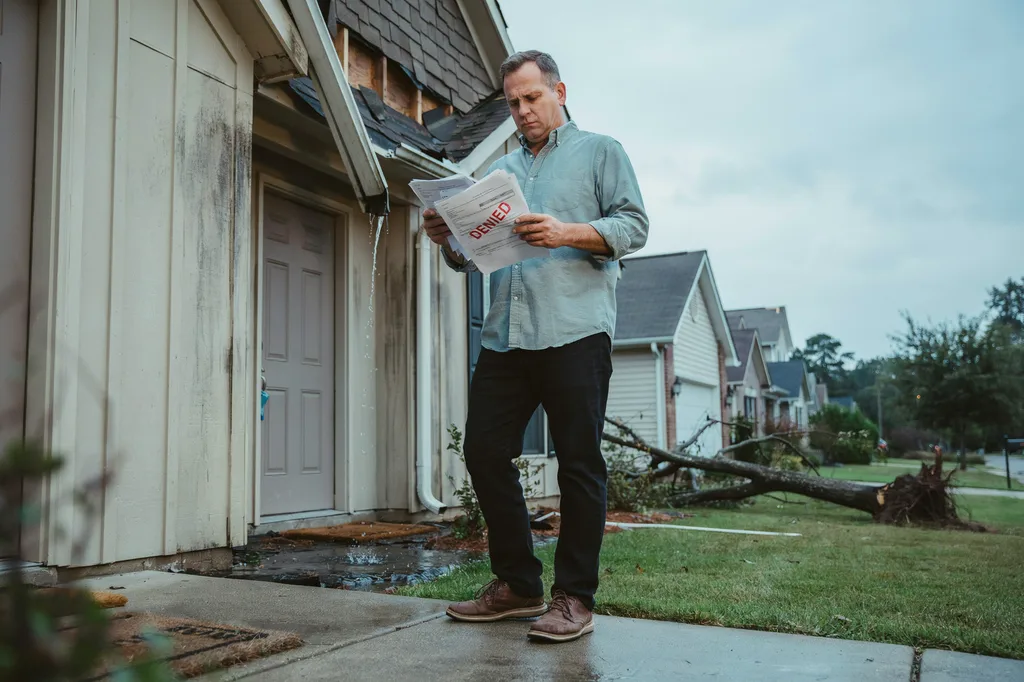
When you need help after a property loss, storm damage, fire, or another covered event, you expect your insurance company to honor its promises. Unfortunately, some insurers delay payments, deny valid claims, or offer unfair settlements that fail to cover the full extent of your losses. An Insurance Bad Faith Attorney can help policyholders challenge these practices and hold insurance companies accountable when they fail to act fairly.

These situations often create financial stress at the worst possible time. Repair costs, temporary housing expenses, and business interruptions continue to grow while policyholders wait for answers. Understanding your rights can help you take action and protect your claim.

Whether it’s gathering evidence, negotiating with insurance companies, or representing clients in court, More 2 You handles every aspect with utmost professionalism and dedication.

What Is Insurance Bad Faith?

Insurance bad faith occurs when an insurance company fails to handle a claim honestly, fairly, or reasonably.

Every insurance policy includes an implied legal obligation known as the duty of good faith and fair dealing. This duty requires insurers to investigate claims properly, communicate with policyholders, and make claim decisions based on facts rather than financial interests.

A denied claim does not automatically mean bad faith occurred. Insurance companies can deny claims when coverage does not apply under the policy. However, bad faith may exist when an insurer intentionally delays a claim, ignores evidence, misrepresents policy language, or refuses to pay a valid claim without a reasonable basis.

Insurance Bad Faith

Why Insurance Bad Faith Matters

Most people purchase insurance for peace of mind. They expect financial protection when unexpected losses occur.

When an insurer fails to honor its obligations, policyholders often face serious financial challenges. Homeowners may struggle to repair damaged property. Business owners may face operational disruptions. Families may find themselves paying expenses that insurance should have covered.

Insurance bad faith can transform a difficult situation into a financial crisis. Recognizing unfair claim practices early can help policyholders protect their interests and seek appropriate legal guidance.

Common Examples of Insurance Bad Faith

Insurance companies use a variety of tactics to reduce claim payouts. Some practices are obvious, while others are harder to identify.

Wrongful Claim Denials

An insurance company may deny a claim without conducting a meaningful investigation.

For example, an insurer may reject a property damage claim before inspecting the damage or reviewing all available evidence. These decisions can prevent policyholders from receiving benefits they paid for through years of premium payments.

Unreasonable Claim Delays

Insurance companies must process claims within a reasonable timeframe.

Repeated requests for information, unexplained delays, and extended periods of silence may indicate problems with claim handling. Delays often place additional financial pressure on policyholders who need immediate assistance.

Lowball Settlement Offers

Some insurers acknowledge coverage but offer significantly less than the amount necessary to repair or replace damaged property.

These offers often encourage policyholders to settle quickly before they fully understand the value of their claim.

Failure to Investigate

A fair claims process requires a thorough investigation.

Insurance companies should inspect damages, review documents, and consider expert opinions. When an insurer ignores critical evidence, policyholders may have grounds to pursue a bad faith claim.

Misrepresentation of Policy Terms

Insurance policies often contain technical language.

Some insurers use complex wording to justify denials or reduce payouts. Policyholders should always request written explanations when coverage disputes arise.

Signs Your Insurance Company May Be Acting in Bad Faith

Many policyholders do not realize they are experiencing bad faith until significant delays or denials occur.

Several warning signs may indicate that an insurance company is acting unfairly:

  • Repeated requests for documents that were already submitted
  • Sudden changes in the reasons for denying a claim
  • Long periods without communication
  • Frequent reassignment of claim adjusters
  • Settlement offers that ignore documented damages
  • Refusal to explain claim decisions in writing

If you notice several of these warning signs, speaking with an Insurance Bad Faith Attorney can help you better understand your legal options.

What Is Post-Claim Underwriting?

Post-claim underwriting occurs when an insurer searches for reasons to deny coverage after a policyholder files a claim.

Instead of evaluating risk before issuing a policy, the company investigates the application only after facing a potential payout.

An insurer may review old applications, supporting documents, or prior records to find reasons to deny benefits. Courts often scrutinize these practices because insurers should evaluate risks before accepting premiums and issuing coverage.

Homeowners Insurance Claims

Why Insurance Companies Sometimes Act in Bad Faith

Most insurance companies handle claims appropriately. However, financial incentives can influence claim decisions.

Insurance companies generate revenue by collecting premiums and managing claim expenses. Every approved claim represents a financial cost to the insurer.

This business model can create pressure to reduce payouts. In some situations, aggressive cost-control measures lead to unfair claim-handling practices that harm policyholders.

Understanding these incentives helps explain why some insurers delay claims, dispute damages, or make inadequate settlement offers.

Types of Insurance Bad Faith Claims

Bad faith can occur in nearly every type of insurance coverage.

Homeowners Insurance Claims

Homeowners frequently encounter disputes involving storm damage, fire damage, water damage, theft losses, and structural damage.

Auto Insurance Claims

Auto insurance disputes often involve vehicle repairs, medical expenses, and liability coverage disagreements.

Insurers may act in bad faith when they deny valid accident claims or delay payments without justification.

Health Insurance Claims

Health insurance disputes may involve denied treatments, delayed approvals, or coverage disagreements.

These issues can create serious financial and medical challenges for policyholders.

Life Insurance Claims

Life insurance disputes often arise when insurers deny death benefits or conduct unreasonable investigations.

Families depend on these benefits during difficult times, making unfair denials especially harmful.

Commercial Insurance Claims

Businesses rely on insurance coverage to protect assets, operations, and financial stability.

Bad faith claim practices can create substantial financial losses and disrupt normal business activities.

How an Insurance Bad Faith Attorney Helps Policyholders

An Insurance Bad Faith Attorney represents policyholders in disputes with insurance companies.

The attorney’s role often includes reviewing policy language, analyzing claim files, gathering evidence, and identifying unfair claim practices. Legal representation can help level the playing field when policyholders face large insurance companies with significant resources.

Attorneys also negotiate settlements, communicate with insurers, and pursue litigation when necessary. Their goal is to protect policyholder rights and seek fair compensation.

At More 2 You Law, we understand how insurance companies evaluate property damage claims and the tactics they may use to minimize payouts. Our team works to help policyholders pursue the benefits they deserve under their policies.

more2you Law PC

How to Prove Insurance Bad Faith

Evidence plays a critical role in bad faith cases.

Policyholders should keep copies of every document related to their claim. This includes emails, letters, claim notes, photographs, invoices, repair estimates, expert reports, and denial letters.

Written communications often reveal how the insurer handled the claim. Documentation can help establish timelines, identify inconsistencies, and demonstrate unreasonable conduct.

An attorney can review these materials and determine whether the insurer violated its legal obligations.

When to Contact a Workplace Injury Attorney

If your injury is serious, if OSHA is involved, or if your employer or their insurance company is already pushing back on your account of what happened, getting legal counsel early is worth considering.

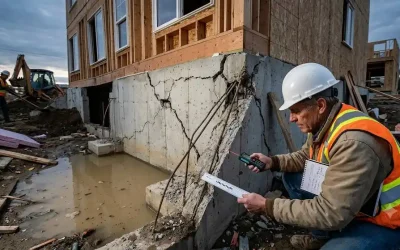
An attorney can make sure that OSHA findings, medical records, and witness statements are actually used effectively in your case — rather than sitting in a file while an insurance company delays or denies your claim. In cases involving documented safety violations or employer negligence, that kind of active legal involvement can be the difference between a fair outcome and a prolonged fight.

If you were injured at work in Alabama or Florida, More 2 You Law can help you understand what you are entitled to and what steps to take to protect your claim from the start.

Insurance Bad Faith Lawsuit

Compensation Available in an Insurance Bad Faith Lawsuit

The compensation available in a bad faith case depends on the facts of the dispute and applicable law.

Policyholders may recover unpaid policy benefits that the insurer wrongfully withheld. Additional damages may include financial losses caused by delayed payments or wrongful claim denials.

Some jurisdictions also permit recovery of attorney fees and litigation costs. Courts may award punitive damages when an insurer engages in particularly serious misconduct.

What to Do After a Claim Denial

A denial does not necessarily end the claims process.

First, request a written explanation from the insurance company. Review the denial carefully and compare it with your policy language.

Next, gather supporting evidence, including photographs, repair estimates, invoices, and expert opinions. Strong documentation often strengthens a disputed claim.

Finally, consider speaking with an Insurance Bad Faith Attorney who can evaluate the insurer’s conduct and explain your legal options.

Speak With More 2 You Law About Your Insurance Claim

Insurance companies have a legal obligation to treat policyholders fairly. When an insurer delays payment, underpays a valid claim, or wrongfully denies coverage, you do not have to accept the decision without question.

At More 2 You Law, we help homeowners, business owners, and policyholders pursue fair treatment from insurance companies. Our team understands the challenges policyholders face after major losses and works to protect their rights throughout the claims process.

If you believe your insurer acted unfairly, document every interaction, preserve all supporting evidence, and seek legal guidance as soon as possible. Early action can help strengthen your position and improve your chances of reaching a fair resolution.

FAQs

What qualifies as insurance bad faith?

Insurance bad faith occurs when an insurer acts unfairly during the claims process. Examples include unreasonable delays, wrongful denials, inadequate investigations, and misleading policy interpretations.

Can I sue my insurance company for denying my claim?

You may have legal options if the insurer denied your claim without a reasonable basis or engaged in unfair claim-handling practices.

How do I know if my claim denial was legitimate?

Review the denial letter and compare it with your policy language. An attorney can help determine whether the insurer’s decision was reasonable.

What evidence helps prove bad faith?

Emails, letters, photographs, repair estimates, expert reports, claim notes, and written explanations from the insurer often help support a bad faith claim.

How long do I have to file a bad faith claim?

Deadlines vary depending on state law and the circumstances of the dispute. Speaking with an attorney promptly helps protect your rights.

Do insurance bad faith attorneys work on contingency?

Many attorneys handle bad faith claims on a contingency-fee basis, but fee arrangements vary by law firm.

How long does an insurance bad faith case take?

The timeline depends on the complexity of the claim, the available evidence, and whether the case settles or proceeds to litigation.

RECENT POSTS

Distracted Driving Accident Lawyer: What Victims Need to Know

Distracted Driving Accident Lawyer: What Victims Need to Know

Distracted Driving Accident Lawyer: What Victims Need to Know

A distracted driver just changed your life in seconds. You’re dealing with injuries, mounting medical bills, missed work, and an insurance company already working against you. Every day you wait, critical evidence disappears and your options narrow. A distracted driving accident lawyer at More2You can step in immediately, preserve that evidence, and fight for every dollar you deserve.

Whether it’s gathering evidence, negotiating with insurance companies, or representing clients in court, More 2 You handles every aspect with utmost professionalism and dedication.

What Is Distracted Driving?

Distracted driving happens any time a driver shifts attention away from the road. It falls into three types: visual (eyes leave the road), manual (hands leave the wheel), and cognitive (mind leaves the task of driving).

Texting is uniquely lethal because it triggers all three at once. But the phone is not the only cause.

Forms of Distraction Beyond the Phone

Drivers cause serious accidents every day while scrolling TikTok, adjusting in-car touchscreens, eating, arguing with passengers, or dealing with pets in the vehicle. Even a hands-free phone call creates dangerous cognitive distraction — keeping hands on the wheel does not keep attention on the road.

If a driver’s distraction caused your crash anywhere in Alabama, Florida, Georgia, or Mississippi, that behavior qualifies as negligence under personal injury law — regardless of whether they received a citation at the scene.

uninsured motorist (UM) coverage
personal injury law

How Dangerous Is Distracted Driving?

In 2023, distracted driving killed 3,275 people across the United States — 8% of all traffic fatalities that year, according to the National Highway Traffic Safety Administration (NHTSA). Another 324,819 people suffered injuries in distraction-affected crashes during the same period.

Texting produces reaction times comparable to a driver with four beers in their system. At 55 mph, a 4–5 second glance at a phone means traveling the full length of a football field without watching the road.

Who Is Most at Risk

Drivers aged 16–45 account for 72% of all distracted driving violations, and male drivers aged 25–34 represent the largest share of fatalities and serious injuries, according to the SafeTREC 2025 Traffic Safety Facts report. Pedestrians face the steepest risk — they account for 25.9% of all fatal and serious injury distracted driving crashes in California, a figure mirrored in high-traffic Southern metros from Birmingham to Miami to Atlanta.

What These Crashes Actually Look Like

A driver glances at an Instagram notification at a red light. The light turns green, traffic ahead slows, but the driver is still looking down. They never brake. They hit the car in front at near-full speed — no skid marks, no evasive action, just a full-speed impact that a one-second decision made inevitable. This is the standard pattern in distracted driving crashes, not an exception.

Two Causes Mostly Ignore

Texting, eating, and GPS use get most of the attention. Two other categories carry serious legal weight.

Rideshare and Delivery Driver Distraction

Uber, Lyft, DoorDash, and Amazon Flex drivers constantly monitor navigation apps and accept incoming job pings while moving through traffic across Florida, Georgia, Alabama, and Mississippi. If a rideshare or delivery driver hit you, the platform may share liability — depending on whether the driver was actively on a job at the time. These cases involve multiple insurance layers and need a lawyer involved from the start. Our rideshare accident attorneys at More2You handle exactly these claims.

When the Driver Was Working

If the driver was on a work call, making a business delivery, or operating a company vehicle, their employer may be liable alongside them under the doctrine of respondeat superior.

That means a second defendant — one with deeper pockets — may owe you compensation. An attorney establishes whether the driver was acting within the scope of employment at the moment of the crash.

Distracted Driving Laws

Injuries Caused by Distracted Driving Crashes

Distracted crashes produce worse injuries than most other collision types for one reason: the at-fault driver takes zero evasive action. No braking. No swerving. Full-speed impact into whatever is in front of them.

Physical Injuries

Traumatic brain injuries carry long-term consequences — memory loss, mood disorders, speech impairment, and learning disabilities. Spinal cord damage can cause partial or complete paralysis. Broken bones, lacerations, internal organ damage, and severe whiplash are among the most common diagnoses.

Psychological Injuries That Factor Into Your Claim

Many victims develop PTSD, chronic anxiety, sleep disorders, and depression after the crash. These are not minor side effects — they are compensable non-economic damages with real dollar value. Documenting psychological impact from the first week of treatment strengthens your claim and raises its total value. Learn more about the full range of damages in personal injury cases.

Distracted Driving Laws in Alabama, Florida, Georgia, and Mississippi

Each of the four states we serve has its own rules. Knowing which law applies to your crash directly affects how your attorney builds the negligence case against the at-fault driver.

Alabama

Under Ala. Code § 32-5A-350, texting while driving is a primary offense — officers can pull a driver over for it alone. Since June 2024, Alabama’s hands-free law also prohibits physically holding a phone while driving, though it remains a secondary offense requiring another traffic violation first. Drivers under 18 face a full ban on all mobile phone use, including hands-free. In 2022 alone, distracted drivers caused 67 fatalities on Alabama roads — a 36% increase from the prior year, according to Drive Safe Alabama.

Florida

Florida Statute § 316.305 bans texting while driving as a primary offense, allowing officers to stop a driver solely for phone use. All handheld phone use in active school and construction zones is prohibited regardless of driver age. Drivers under 18 face a complete ban on all wireless device use. Florida recorded 53,596 distracted driving crashes in 2022 — resulting in 268 deaths and 2,574 serious injuries, according to the Florida Highway Safety and Motor Vehicles data.

Georgia

Georgia’s Hands-Free Georgia Act (O.C.G.A. § 40-6-241) is one of the strongest distracted driving laws in the country. Drivers cannot hold or support a phone with any part of their body — including resting it on a leg. Sending texts, reading emails, recording video, scrolling social media, and touching a phone to control music are all prohibited while the vehicle is moving. A violation of this law is direct evidence of negligence in a civil lawsuit.

Mississippi

Mississippi Code § 63-33-1 bans texting while driving for all drivers. Mississippi does not yet have a comprehensive hands-free law, but that legal gap does not protect distracted drivers from civil liability. If a Mississippi driver’s phone use or other distraction caused your crash, an attorney can prove negligence through phone records, witness accounts, and vehicle data regardless of whether a citation was issued.

The Filing Deadline You Cannot Miss

Every state we serve sets a firm deadline to file a personal injury lawsuit:

  • Alabama: 2 years from the date of injury (Ala. Code § 6-2-38)
  • Florida: 2 years from the date of injury (Fla. Stat. § 95.11, for causes of action after March 24, 2023)
  • Georgia: 2 years from the date of injury (O.C.G.A. § 9-3-33)
  • Mississippi: 3 years from the date of injury (Miss. Code § 15-1-49)

Government vehicle cases in all four states compress those deadlines significantly — sometimes to as little as 90 days to file a formal notice of claim. Miss any deadline and you permanently lose the right to sue, regardless of how strong your case is.

How Fault Is Proven in a Distracted Driving Case

Every negligence case rests on four elements: duty (the driver owed a standard of care), breach (they failed that standard through distraction), causation (the distraction directly caused the crash), and damages (you suffered real losses). Causation is where most cases are decided.

The Evidence That Wins These Cases

  • Cell phone records — subpoenaed from the carrier, showing call logs, SMS timestamps, and data activity at the time of impact. Preservation letters go out immediately before carriers delete records on their standard schedule.
  • Event Data Recorder (EDR) — the vehicle’s black box captures speed, braking input, steering angle, and throttle position in the seconds before impact. No braking in the data is direct proof of inattention.
Distracted Driving Case
  • Traffic cameras, dashcams, and business surveillance — footage showing the driver looking down or failing to react before impact.
  • Lack of skid marks — physical proof the driver never attempted to stop.
  • Witness statements — accounts of phone use, erratic movement, or no reaction to changing road conditions.

How Shared Fault Affects Your Payout

All four states follow contributory or comparative fault rules that directly affect your recovery. Alabama applies contributory negligence — one of the strictest standards in the country. If a court finds you even 1% at fault, you may recover nothing. Florida, Georgia, and Mississippi follow comparative fault rules that reduce your award by your percentage of fault without fully barring recovery in most cases. Insurers in all four states routinely inflate victim fault assignments to minimize payouts. An attorney disputes those figures with documentation from the moment the claim opens.

What to Do After the Crash — and What to Avoid

Take these steps immediately:

  • Call 911 and file a police report, even if the crash looks minor
  • Photograph the scene, vehicle damage, road conditions, and whether skid marks are present or absent
  • Collect witness names and contact details
  • Get medical attention the same day — TBI and soft tissue symptoms often surface days later, not at the scene
  • Write down whether the other driver was holding a phone, looking down, or showed no sign of braking

These mistakes will hurt your case:

  • Posting anything about the accident on social media — insurance adjusters check these accounts
  • Giving a recorded statement to the other driver’s insurer before talking to a lawyer
  • Signing any medical authorization or release before you retain an attorney
  • Taking the first settlement offer — it is nearly always far below what your case is worth
  • Waiting to see a doctor — a gap in treatment gives insurers a written argument that your injuries are not serious

If the Driver Fled the Scene

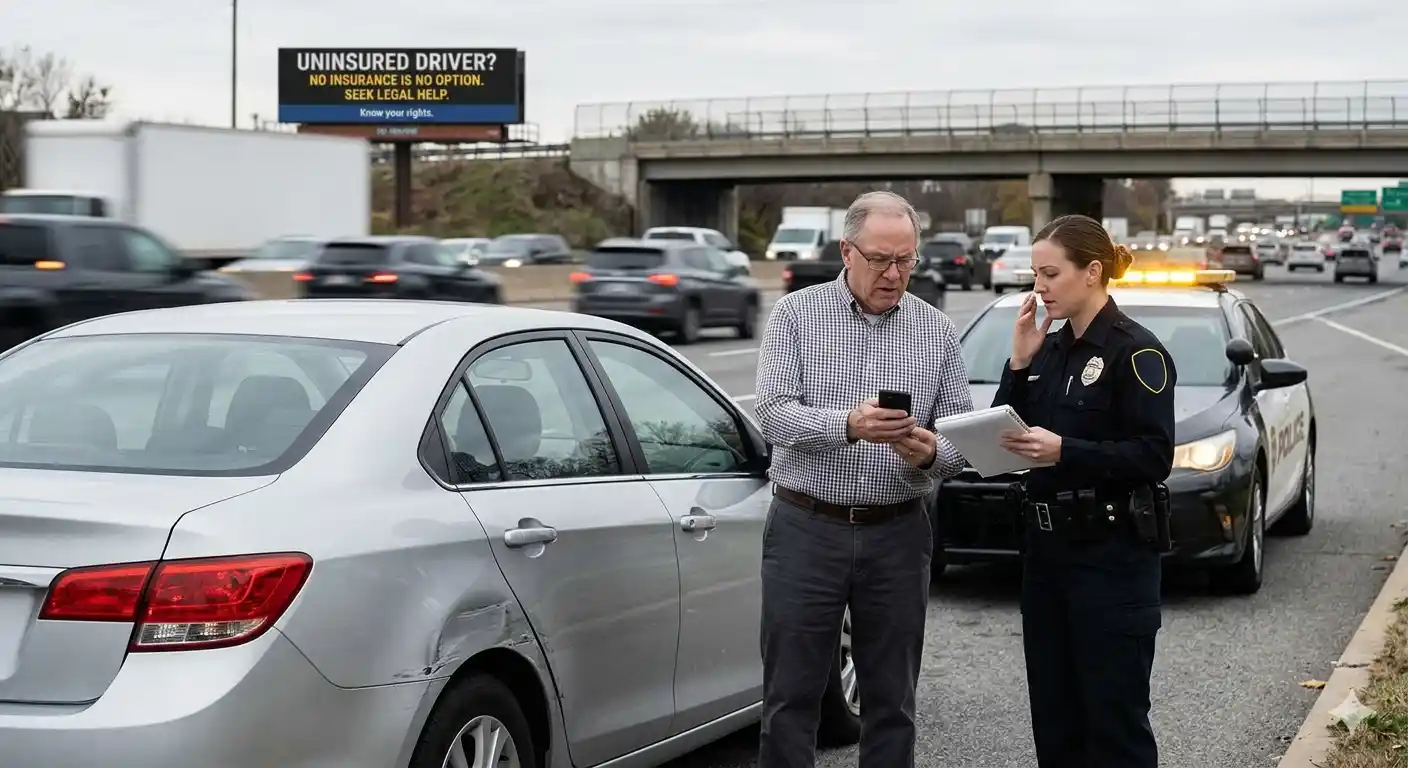
File a police report immediately. That report activates an investigation using surveillance footage, license plate readers, and witnesses. Check your own insurance policy for uninsured motorist (UM) coverage — it can pay your damages even if the driver is never found. Call a hit-and-run accident attorney at More2You that day, because hit-and-run evidence disappears faster than any other case type.

What Compensation Can You Recover?

Economic damages cover every financial loss you can document: ER and hospital bills, surgery, specialist visits, physical therapy, prescriptions, future medical care, lost wages, long-term loss of earning capacity, vehicle repair or replacement, and rental costs while your car is out of service.

Non-economic damages cover losses that carry no receipt: pain and suffering, PTSD and anxiety, loss of enjoyment of life, scarring and disfigurement, and loss of consortium for your spouse or partner. In serious injury cases these damages often exceed the economic total.

Punitive damages are available when the driver’s conduct was especially reckless — distracted driving combined with drunk driving, for example. Courts in Alabama, Florida, Georgia, and Mississippi all recognize punitive damages in egregious distracted driving cases.

One point that costs victims money: once you sign a settlement, you cannot reopen it — even if your condition deteriorates or new surgery becomes necessary. A medical expert and economist project your future costs before any settlement is signed. That projection is what separates a settlement that covers you from one that runs out in two years.

The evidence your case depends on starts disappearing the moment the crash happens. Phone records get purged on carrier schedules. Dashcam footage gets overwritten within days. Witnesses move on and forget. Contact More2You today for a free consultation — we serve clients across Alabama, Florida, Georgia, and Mississippi with no upfront fees and no obligation.

FAQs

Can I still file a claim if I have no proof the other driver was on their phone? 

Yes. Phone records come from the carrier via subpoena. EDR data, dashcam footage, witness accounts, and the absence of skid marks can all establish distraction without a photo of the phone in hand.

Does Alabama’s contributory negligence rule mean I can’t recover if I was partly at fault?

Alabama’s contributory negligence standard is strict — even slight fault on your part can bar recovery. That is exactly why having an attorney from the start matters. An attorney documents the other driver’s distraction thoroughly and pushes back against any attempt to assign you partial blame without evidence.

How long does a distracted driving accident settlement take in these states? 

Most cases in Alabama, Florida, Georgia, and Mississippi resolve in 4 to 12 months. Severe injuries or disputed liability extend that timeline. Cases that reach trial typically take 1 to 3 years. Getting an attorney involved early shortens the process by locking in evidence before it disappears.

Can I sue if the other driver admitted fault at the scene but the insurer denies it? 

Yes. An admission at the scene is useful but does not bind the insurance company. The insurer responds to documented evidence — police reports, phone records, EDR data — not to what the driver said on the roadside.

What if the at-fault driver had no insurance? 

Your own UM coverage may pay your damages. An attorney also investigates whether an employer, vehicle owner, or government entity shares liability and carries coverage.

Does it cost anything to hire a distracted driving accident lawyer? 

Nothing upfront. More2You works on a contingency fee — you pay nothing unless we win. The fee is a percentage of your final recovery, spelled out in writing before you sign anything.

What is the deadline to file a distracted driving lawsuit in my state?

Alabama, Florida, and Georgia each allow 2 years from the date of injury. Mississippi allows 3 years. Government vehicle cases in all four states can compress those deadlines to as little as 90 days. The clock starts on the day of the crash — contact an attorney before any deadline approaches.

RECENT POSTS

Translate »