Hit and Run Accident: What It Is, Why It Happens, and What You Can Do

Hit and Run Accident: What It Is, Why It Happens, and What You Can Do

Hit and Run Accident: What It Is, Why It Happens, and What You Can Do

You did everything right — and someone still drove away.

A hit and run accident leaves you injured, shaken, and staring down medical bills while the driver who caused it disappears without a consequence. That helplessness is real. And it happens every 43 seconds somewhere in the United States.

This guide covers the law, your rights, your compensation options in Alabama, Florida, Georgia, and Mississippi, and exactly what to do next. At More 2 You Law, we fight to get you MORE — and we charge less than most firms to do it.

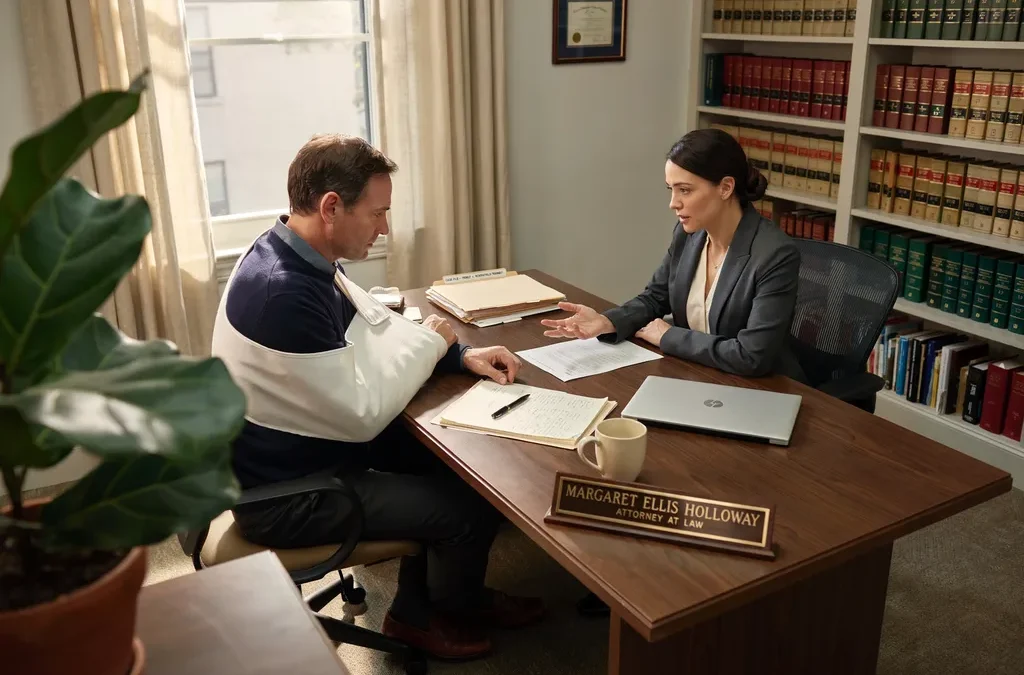
Whether it’s gathering evidence, negotiating with insurance companies, or representing clients in court, More 2 You handles every aspect with utmost professionalism and dedication.

What Is a Hit and Run Accident?

A hit and run accident occurs when a driver involved in a collision leaves the scene without stopping to exchange information, render aid, or wait for police. It does not matter who caused the accident — leaving before fulfilling these obligations is a crime in every U.S. state, including Alabama, Florida, Georgia, and Mississippi.

Hit and runs happen in parking lots, residential streets, and driveways — not just highways. Hitting a parked car and driving away without leaving a note qualifies. A miss-and-run — also called a phantom driver accident — is a related scenario where a driver causes a crash without physically contacting another vehicle, making identification even harder.

auto accident attorney

How Common Are Hit and Run Accidents?

Hit and run accidents are not rare. They are a documented, growing public safety crisis.

  • A hit and run crash occurs every 43 seconds in the United States, according to the AAA Foundation for Traffic Safety
  • 2,932 people died in hit and run crashes in 2022 — up 0.5% from 2021, per the National Safety Council
  • 4.6 out of every 10,000 drivers carry a hit and run violation on record, according to Insurify

Pedestrians and cyclists face the greatest risk. Approximately 1 in 5 pedestrian fatalities over the past decade involved a hit and run driver. Urban areas at night see the highest concentration of incidents.

Why Do Drivers Flee the Scene?

Drivers flee for calculated reasons — not random ones. Understanding these motivations helps investigators build stronger cases.

Fear-based reasons dominate. Drivers under the influence flee to avoid sobriety testing and DUI charges. Those with no valid license, outstanding warrants, or no insurance run because staying triggers immediate legal or financial consequences they cannot face.

Panic and psychology play a major role too. When a collision occurs, the fight-or-flight response activates within milliseconds — flooding the body with adrenaline before rational thought catches up. Research in traffic psychology confirms that even non-at-fault drivers sometimes flee due to acute shock. Young and inexperienced drivers are especially vulnerable to this response.

Social pressures round out the picture. Undocumented drivers fear deportation. Employees driving company vehicles fear termination. Some drivers simply calculate that fleeing protects their insurance record — not realizing the legal consequences of leaving far exceed any premium increase.

Legal Consequences for the Fleeing Driver

Fleeing a crash does not reduce liability. It multiplies it.

Criminal penalties vary by outcome. Property-damage-only hit and runs typically qualify as misdemeanors — fines up to $5,000 and up to one year in jail. When the accident caused injury or death, most states charge a felony, with fines reaching $15,000 and prison sentences up to 15 years. The National Highway Traffic Safety Administration tracks state-by-state penalty structures for reference.

Civil penalties compound the damage. Courts can apply treble damages — tripling the awarded amount — when conduct is deemed egregious. That extra amount typically falls outside insurance coverage, meaning the driver pays out of pocket.

Administrative consequences follow independently. A hit and run conviction typically suspends a driver’s license for 6 months to 3 years. Most states require SR-22 filing before reinstatement, and many insurers cancel policies outright upon conviction.

wrongful death attorneys

State Laws in AL, FL, GA & MS

Penalties and deadlines differ significantly across the four states More 2 You Law serves.

Florida imposes a mandatory minimum four-year prison sentence for a hit and run involving death — with no suspension allowed. Georgia classifies injury hit and runs as felonies carrying up to five years in prison. Alabama imposes up to 10 years for felony hit and run involving injury or death. Mississippi requires drivers to immediately stop and render aid after any accident; felony charges apply when injuries are involved.

The statute of limitations — your window to file a civil claim — is two years in Alabama and Mississippi, and four years in Florida. Missing this deadline forfeits your right to compensation entirely. If your accident happened in any of these states, contact More 2 You Law immediately to protect your deadline.

Important Alabama note: Alabama follows contributory negligence — one of only a few states that does. Being found even 1% at fault may bar your recovery under certain circumstances. Having an attorney is critical if your accident occurred in Alabama.

Compensation Options for Victims

Being a hit and run victim does not mean you are without financial recourse — even if the driver is never found.

Uninsured Motorist (UM) coverage is your primary safety net when the at-fault driver is unidentified. It covers medical expenses, lost wages, and pain and suffering. Some insurers treat phantom drivers the same as uninsured drivers, enabling a UM claim even without physical contact — though many require witness corroboration.

Other coverage types that may apply include PIP (Personal Injury Protection) for medical costs and lost wages regardless of fault, MedPay for medical and rehabilitation expenses, and collision coverage for vehicle repair or replacement.

Uninsured Motorist

When the driver is found, your options expand significantly. You can file a direct personal injury lawsuit, negotiate with their insurance carrier from a position of established liability, and use their criminal conviction as evidence of negligence in your civil claim.

Full compensable damages in a hit and run case include medical expenses, future medical costs, lost income, reduced earning capacity, vehicle repair or replacement, pain and suffering, emotional distress, and wrongful death damages. If you lost a family member in a hit and run, our wrongful death attorneys can help pursue the full justice your family deserves.

Personal Injury Protection

Get MORE With More 2 You Law

The insurance company on the other side employs adjusters and attorneys whose job is to minimize your payout. You deserve the same professional firepower — and at More 2 You Law, you get it for less than most firms charge.

Most personal injury firms take 33–45% of your settlement. More 2 You Law charges just 25%. On a $100,000 settlement, that difference puts an extra $8,000–$20,000 directly back in your pocket.

We handle everything — subpoenaing surveillance footage before retention windows close, negotiating with insurers, tracking your deadlines, and building your full damages picture. You focus on recovering. We focus on getting you MORE.

Start your free consultation now Call toll-free: 888.645.2222 Serving Alabama, Florida, Georgia & Mississippi

A hit and run accident strips you of the one thing every injured person deserves — a driver who stays and answers for what they did. The law exists to compensate you anyway. More 2 You Law exists to make sure you collect every dollar of it — and keep MORE of it when you do.

FAQs

Can I get compensation if the driver is never found?

Yes. Your Uninsured Motorist (UM) coverage is designed exactly for this. File promptly, provide the police report, and let an attorney handle insurer negotiations.

Is a hit and run a felony or misdemeanor? 

It depends on the outcome. Property damage only is typically a misdemeanor. Injury or death escalates the charge to a felony in Alabama, Florida, Georgia, and Mississippi — with sentences reaching up to 15 years.

What if I was partially at fault? 

Florida, Georgia, and Mississippi follow comparative negligence — partial fault reduces your recovery but does not eliminate it. Alabama’s contributory negligence rule is stricter. Call us before assuming you cannot recover.

How long do I have to file a claim? 

Two years in Alabama and Mississippi. Four years in Florida. Georgia allows two years for personal injury claims. Do not wait — evidence and witness memories fade fast.


RECENT POSTS

Contingency Fee Lawyer: How It Works, What You’ll Pay, and What to Ask

Contingency Fee Lawyer: How It Works, What You’ll Pay, and What to Ask

Contingency Fee Lawyer: How It Works, What You’ll Pay, and What to Ask

You’ve been injured. Bills are piling up. You’ve missed work. The last thing you need is to pay an attorney hundreds of dollars per hour before your case even starts. A contingency fee lawyer changes that — you pay nothing upfront, and your attorney only gets paid if they win your case.

Whether it’s gathering evidence, negotiating with insurance companies, or representing clients in court, More 2 You handles every aspect with utmost professionalism and dedication.

What Is a Contingency Fee Lawyer?

A contingency fee lawyer takes your case without charging upfront. Instead of billing by the hour, they collect a percentage of whatever you recover — through a settlement or a court verdict.

If you win, your attorney gets paid from that recovery. If you lose, you owe no attorney fees. That’s what makes legal representation accessible to people who couldn’t otherwise afford it.

If you’ve been hurt because of someone else’s negligence, our personal injury lawyers cover a wide range of cases across Alabama, Florida, Georgia, and Mississippi.

How the Fee Arrangement Works

Before your attorney lifts a finger, both of you sign a written contingency fee agreement. That document states the exact percentage your attorney receives, when it applies, and how case expenses get handled.

The agreement must be in writing — that’s a legal requirement, not a formality. Read every line before you sign.

What Types of Cases Use Contingency Fees

Contingency fees apply most commonly to car and truck accident claims, motorcycle accidents, workers’ compensation cases, slip and fall injuries, medical malpractice, wrongful death actions, and property damage or insurance disputes.

Attorneys don’t use contingency fees in criminal defense or family law. Those cases don’t produce a financial recovery to draw a percentage from, so attorneys bill hourly instead.

settlement check disbursement

How Does a Contingency Fee Lawyer Actually Get Paid?

Most clients know their attorney gets paid from the settlement. What most don’t know is exactly how that money moves. Here’s the full sequence.

The Settlement-to-Payment Process, Step by Step

Step 1 — Your case resolves through a negotiated settlement or a court verdict in your favor.

Step 2 — The settlement check goes to your attorney’s trust account — not directly to you.

Step 3 — Your attorney deducts agreed case expenses — filing fees, deposition costs, expert witness fees.

Step 4 — Your attorney calculates their fee — from the gross amount or post-expense total, per your written agreement.

Step 5 — You receive your share — along with a written disbursement statement showing every deduction.

Always ask for that disbursement statement. If your attorney doesn’t send it automatically, request it immediately.

The Question Most Clients Never Ask

Whether your attorney’s percentage gets calculated before or after expenses are deducted makes a real difference in what you take home. The two methods produce different numbers on the same case.

Ask this question directly before you sign. It belongs in your written agreement — not as a verbal promise.

What Expenses Could You Still Owe If You Lose?

If your case doesn’t succeed, you owe zero attorney fees. That part is straightforward.

But certain out-of-pocket expenses may still apply depending on your agreement — court filing fees, deposition and transcript costs, expert witness fees, and investigation or documentation expenses.

Find the expense clause in your agreement before you sign. Confirm in writing exactly what you owe if the case doesn’t go your way. If a workplace injury is involved, our workers’ compensation page explains how these claims typically unfold and what expenses to watch for.

Contingency Fee vs. Hourly Fee — Which One Fits Your Situation?

The fee structure your attorney uses shapes your financial exposure, their motivation, and how the case gets managed. Here’s what each option actually means for you.

When a Contingency Fee Makes Sense

With a contingency fee, you pay nothing upfront. Your attorney collects only when you win, which means their financial outcome depends directly on yours. If the case is lost, you owe no attorney fees.

This works best when you have no money available to pay an attorney upfront, your case involves a clear injury or documented financial loss, and the expected damages are significant enough to justify a percentage-based fee for both sides.

That covers most auto accident cases, truck accident claims, and slip and fall injuries — the cases More 2 You Law handles every day.

personal injury settlement process

When Hourly Billing Makes Sense

With hourly billing, you pay regardless of outcome, billed in agreed increments from the start. The attorney earns the same whether you win or lose.

Hourly billing fits better when your case doesn’t produce a financial recovery — criminal defense or custody disputes — when you want direct control over how your attorney spends their time, or when the dispute value is low enough that a percentage fee would be disproportionate.

The Hybrid Model

Some attorneys offer a hybrid — a reduced hourly rate paired with a lower-than-standard contingency percentage. The attorney earns partial income regardless of outcome. The client pays less than full hourly billing. Both sides carry some financial risk.

If your case is complex or could run for years, ask whether a hybrid structure is an option. Most clients never think to ask.

personal injury attorney in Alabama

Pros and Cons of Hiring a Contingency Fee Lawyer

This arrangement works well for most clients — but there are real downsides worth knowing before you sign anything.

What Works in Your Favor

No upfront cost. Even if you’re buried in medical debt and can’t work, you can still hire an experienced attorney and pursue the compensation you’re owed.

Aligned incentives. An hourly attorney earns the same amount no matter what happens to your case. A contingency fee attorney only gets paid when you do — so their effort is directly tied to your result.

No attorney fees if you lose. You carry the risk of an unsuccessful case, but not an attorney bill on top of it.

What Works Against You

A percentage of your recovery goes to your attorney. It’s the cost of access to representation. For most clients it’s worth it — particularly when the other option is negotiating alone against an insurance company.

Attorneys can and do turn cases down. If liability is unclear or damages are low, a firm may decline. They assess financial risk before committing time and money without guaranteed payment.

Fast settlements still carry the full fee. If your case wraps up in two weeks, your attorney collects the same agreed percentage as if they’d worked it for two years. Be sure you’re comfortable with that number before signing.

How Attorneys Decide Whether to Take Your Case

Before agreeing to represent you, most attorneys look at the strength and clarity of the evidence, total damages at stake, hours and upfront money the case will require, estimated duration, and how the case compares to others they could be handling instead.

A rejection doesn’t always mean your claim is weak. Sometimes the economics don’t work for that firm. If you’ve suffered a serious injury and aren’t sure whether you have a viable case, our catastrophic brain injury and wrongful death pages explain what typically qualifies for representation.

How to Read and Negotiate a Contingency Fee Agreement

5 Clauses to Read Before You Sign

  1. The exact percentage — and whether it goes up if the case proceeds to trial rather than settling.
  2. Fee calculation method — does the percentage apply before or after expenses are deducted? This one clause determines how much you actually take home.
  3. Expense responsibility if you lose — which costs stay your obligation regardless of outcome.
  4. Expert witness and deposition costs — when they get billed and whether they come out of the recovery or get charged separately.

5. Termination clause — what you owe financially if you fire your attorney or switch firms mid-case.

Contingency Fee Agreement

Can You Negotiate the Percentage?

Yes — and most clients don’t realize it. The number your attorney quotes first is not final.

Your position is strongest when your case involves significant damages and clear liability, the evidence is solid and a long legal battle is unlikely, and you’ve spoken with more than one attorney.

Ask for a sliding scale — a lower percentage if the case settles before trial, a higher one if it goes to a verdict. Whatever you agree on must appear in the written agreement before work begins. If you’re dealing with a motorcycle accident or a medical malpractice claim — both complex, high-value case types — this conversation is worth having at the very first meeting.

Red Flags in a Fee Agreement

Walk away or ask hard questions if you see vague language around who pays expenses if you lose, no written explanation of how the percentage gets calculated, pressure to sign before reading the full document, no termination or withdrawal policy, or verbal promises that don’t appear anywhere in writing.

A good attorney expects you to push back. If yours doesn’t, pay attention to that.

contingency fee

What to Look for When Hiring a Contingency Fee Lawyer

The right attorney matters more than the lowest percentage. One who fights for your full case value puts more in your pocket than one who settles quickly for less than you deserve.

Questions to Ask Before You Hire Anyone

  • Does your percentage increase if we go to trial?
  • Do you calculate your fee before or after expenses are deducted?
  • What costs am I responsible for if the case doesn’t succeed?
  • What’s your honest read on my case — strength, value, timeline?
  • Who handles my case day to day, and how often will I hear from you?

What a Trustworthy Attorney Actually Does

A good contingency fee attorney explains the fee agreement without being asked, puts every cost in writing before you sign, gives you an honest case assessment instead of a guarantee, has real experience with your type of case, and returns your calls.

You’ve already dealt with the injury, the insurance company, and the financial pressure that followed. The attorney you hire should make the next step easier — not add to the confusion. At More 2 You Law, we answer every question upfront, put everything in writing, and fight to get you the most possible.

We serve clients across Alabama, Florida, Georgia, and Mississippi. Whether you’re dealing with an auto accident, or you’re still asking who pays your medical bills while your case is pending — call us at 888-645-2222 or start your free case evaluation here.

FAQs

Do I pay a contingency fee lawyer if I lose?

No — you owe zero attorney fees if your case is unsuccessful. Out-of-pocket expenses such as filing fees, deposition costs, or expert witness fees may still apply depending on your written agreement. Check the expense clause before signing.

What types of cases use contingency fee lawyers?

Contingency fees are standard in personal injury, car accidents, truck accidents, workers’ compensation, slip and fall, medical malpractice, wrongful death, and property damage cases. They’re generally not available for criminal defense or family law, since those cases don’t produce a financial recovery.

Can I negotiate the contingency fee percentage?

Yes. The first number your attorney gives you is negotiable, particularly on strong cases with clear liability and significant damages. Any change must be confirmed in your written agreement before work starts.

How does the attorney get paid after a settlement?

The settlement check goes to your attorney’s trust account. They deduct agreed case expenses, apply their fee percentage, then send you your share along with a written disbursement statement showing every deduction.

Does a contingency fee agreement have to be in writing?

Yes, always. A verbal arrangement isn’t enforceable in most jurisdictions. The written agreement must state the percentage, how it’s calculated, and what expenses you remain responsible for regardless of outcome.

What is a hybrid contingency fee?

A hybrid combines a reduced hourly rate with a lower contingency percentage. The attorney earns partial income even if the case is lost. The client pays less than full hourly billing. Both sides share the financial risk.

How is a contingency fee different from a retainer?

A retainer is money you pay upfront to secure your attorney’s time, billed against at an hourly rate. A contingency fee requires nothing upfront — your attorney collects only if the case resolves in your favor.

What happens to expenses if I switch attorneys mid-case?

It depends on your termination clause. Some agreements let you leave without owing anything until the case resolves. Others require you to cover expenses already incurred. Read this clause carefully. If you’re in a dispute with your current firm, our breach of contract page explains your rights.


RECENT POSTS

What Role Does OSHA Reporting Play After a Workplace Injury?

What Role Does OSHA Reporting Play After a Workplace Injury?

What Role Does OSHA Reporting Play After a Workplace Injury?

Not every workplace accident triggers federal involvement — but when an injury is serious enough to require hospitalization, or when unsafe conditions and employer negligence are part of the picture, OSHA reporting enters the equation. At that point, how the incident gets documented can shape everything that follows, including how your workers’ compensation claim develops in Alabama or Florida.

At More 2 You Law, we work with injured workers every day who are trying to make sense of overlapping systems — employer reports, insurance filings, federal investigations. Understanding where OSHA fits into that picture is not just useful. In disputed or complex cases, it can make a real difference.

Whether it’s gathering evidence, negotiating with insurance companies, or representing clients in court, More 2 You handles every aspect with utmost professionalism and dedication.

OSHA Reporting Requirements After a Workplace Injury

The Occupational Safety and Health Administration does not get involved in every workplace injury. It steps in when incidents cross a certain threshold of severity — deaths, hospitalizations, amputations, and other serious injuries tied to unsafe working conditions.

When those thresholds are met, the employer is required to file a report with OSHA within strict time limits. That report becomes an official federal record of what happened. In a workers’ comp claim, that kind of independent documentation carries weight that an internal employer report simply does not.

What OSHA does not do is decide compensation. Its job is to investigate safety conditions and document what occurred. The compensation side of things runs through an entirely separate system.

workplace injury
workplace accident

OSHA Reporting vs. Employer Injury Report

These two documents often get confused, but they serve different functions and go to different places.

An employer injury report is an internal document. It is filed right after an incident, it starts the first report of injury process under Alabama law, and it is required for a workers’ comp claim to move forward. Every workplace injury that leads to a claim goes through this step.

An OSHA report, by contrast, only applies to serious injuries or fatalities. It goes to a federal agency, not an insurance company. And because it comes from outside the employer, it carries independent credibility. When an insurance company or employer tries to dispute how an injury happened, an OSHA report documenting the same facts is much harder to dismiss.

Both documents matter. But they are not interchangeable, and one does not substitute for the other.

How OSHA Reports Support Workers’ Compensation Claims

OSHA reports do not replace a workers’ comp filing, but they can significantly strengthen the evidence behind one.

When an injury is disputed, an OSHA report gives you something concrete — an official account of what conditions existed at the workplace, what the investigation found, and how the incident was classified. That kind of documentation supports your medical records, backs up witness accounts, and gives an attorney something solid to work with if an insurance company starts pushing back.

If OSHA finds violations during its investigation, those findings can also support arguments that the employer failed to maintain a safe workplace — which matters in cases where the circumstances of the injury are being questioned.

OSHA report
employer injury report

Reporting Work Injury the Right Way

OSHA reporting does not replace the steps required under Alabama workers’ compensation law. Those obligations run on their own timeline, and missing them can cost you your claim regardless of what OSHA has on file.

After a workplace injury, you need to notify your employer as soon as possible, make sure the employer injury report gets filed, confirm that the first report of injury is submitted correctly, and hold onto copies of everything. Delays in any of these steps can give an insurance company grounds to challenge or deny your claim even if the accident is thoroughly documented elsewhere.

Workplace Accident Documentation and OSHA Evidence

OSHA reports are valuable, but they work best as part of a broader documentation effort. Photos of the accident scene, written descriptions of what happened, equipment or hazard details, and records of the time and location all contribute to a stronger overall picture.

Witness statements are particularly useful in this context. OSHA investigators routinely rely on them when reviewing serious incidents, and a well-prepared statement — one that explains what the witness saw, where they were standing, and exactly how the accident unfolded — can reinforce everything else in your file.

Medical Evaluation After a Work Injury

Getting medical attention promptly is not just about your health. It is about your claim. Medical records that align with the timing and nature of the incident create a direct connection between your injury and the workplace accident. OSHA documentation can support that connection, but it cannot substitute for it.

If there is a significant gap between the accident and your first medical evaluation, that gap becomes a point of vulnerability in your claim. Insurance companies look for inconsistencies, and a delay in treatment is one of the first things they will raise.

OSHA reporting requirements
Occupational Safety and Health Administration

Workers’ Comp Deadlines and OSHA Reporting

OSHA reporting does not pause or extend legal deadlines under Alabama workers’ compensation law. Injured workers are still required to report the injury within the legally required window, file the first report of injury, and submit their claim before the applicable statute of limitations runs out. An OSHA investigation running in the background does not change those obligations or protect you from missing them.

When to Contact a Workplace Injury Attorney

If your injury is serious, if OSHA is involved, or if your employer or their insurance company is already pushing back on your account of what happened, getting legal counsel early is worth considering.

An attorney can make sure that OSHA findings, medical records, and witness statements are actually used effectively in your case — rather than sitting in a file while an insurance company delays or denies your claim. In cases involving documented safety violations or employer negligence, that kind of active legal involvement can be the difference between a fair outcome and a prolonged fight.

If you were injured at work in Alabama or Florida, More 2 You Law can help you understand what you are entitled to and what steps to take to protect your claim from the start.

FAQs

When is an employer required to report an accident to OSHA?

An employer must report to OSHA when a workplace accident results in a death, an in-patient hospitalization, an amputation, or the loss of an eye. Deaths must be reported within 8 hours. Hospitalizations, amputations, and eye loss must be reported within 24 hours.

Is OSHA reporting the same as filing a workers’ compensation claim?

No. They are separate systems entirely. OSHA handles workplace safety investigation. Workers’ compensation handles medical benefits and wage replacement for injured workers. Filing one does not satisfy the requirements of the other.

Does OSHA decide whether I receive workers’ compensation benefits?

No. OSHA has no authority over workers’ compensation decisions. Your claim is processed through your state’s workers’ compensation system and the employer’s insurance carrier.

Can an OSHA report help my injury claim?

It can. An OSHA report creates an official, independent record of the incident and the workplace conditions. In a disputed claim, that documentation can support your account of what happened and make it harder for an employer or insurer to reframe the facts.

What happens if an employer fails to report a serious injury to OSHA?

OSHA may issue citations and financial penalties if it discovers an employer failed to file a required report. It can also trigger a formal investigation and increase the employer’s exposure in any related legal proceedings.

Can I report a workplace injury directly to OSHA myself?

Yes. Workers have the right to report unsafe conditions or serious incidents to OSHA directly, particularly when an employer refuses to act or fails to file a required report.

Does OSHA protect workers from retaliation after reporting an injury?

Yes. Federal law prohibits employers from firing, demoting, or otherwise punishing employees for reporting injuries or unsafe conditions. If retaliation occurs, a complaint can be filed with OSHA.

Why does OSHA matter after a workplace accident?

OSHA ensures that serious workplace incidents are independently investigated and that employers are held accountable for safety violations. For injured workers, that investigation can produce documentation that supports their compensation claim and confirms the facts of what happened.


RECENT POSTS

Can a Tenant Sue a Landlord for Property Damage Negligence in Alabama?

Can a Tenant Sue a Landlord for Property Damage Negligence in Alabama?

Can a Tenant Sue a Landlord for Property Damage Negligence in Alabama?

Most tenants don’t move into a rental expecting to end up in court. But sometimes landlords stop responding to repair requests, ignore known problems, or let small issues grow into serious damage — and tenants are the ones left paying for it.

If that’s your situation, you’re not alone, and you’re not without options. Property damage negligence is a legitimate legal claim in Alabama, and tenants who handle it the right way do recover compensation. The question is whether your situation meets the legal standard and whether you’ve built the kind of record that holds up when it counts.

This guide breaks it down — plain and practical.

Whether it’s gathering evidence, negotiating with insurance companies, or representing clients in court, More 2 You handles every aspect with utmost professionalism and dedication.

What Property Damage Negligence Actually Means

The term gets thrown around loosely, but it has a specific legal meaning.

Property damage negligence, in a rental context, means a landlord knew about a condition that needed fixing, had a legal obligation to fix it, and didn’t — and because they didn’t, your property got damaged.

It’s not enough that something broke. It’s not enough that you were inconvenienced. The landlord has to have known, had a responsibility to act, and chosen not to. That gap between their obligation and their action is where a negligence claim lives.

Alabama law holds landlords to a clear standard: rental properties must be kept in a reasonably safe and habitable condition. When landlords fall short of that standard and tenants suffer real losses because of it, the law gives tenants a path to recover.

habitable condition
out-of-pocket costs

The Four Things You Have to Prove

Courts don’t simply take your word for what happened. A property damage negligence claim has four required elements — and you need all of them.

Duty — The landlord had a legal obligation to maintain the property. This one’s usually straightforward in a rental relationship.

Breach — They didn’t meet that obligation. They knew about a problem and let it sit, or took so long to act that the damage got worse.

Causation — Their inaction is what caused your damage. Not a coincidence, not an unrelated event — a direct line from their failure to your loss.

Damages — You lost something real and quantifiable. Ruined furniture, destroyed electronics, out-of-pocket repair costs — something you can put a number on.

Miss any one of these and the claim falls apart. That’s why how you document things from the beginning matters as much as the facts themselves.

The Situations That Most Often Lead to Claims

Certain landlord failures come up again and again in property damage negligence cases. If your situation looks like one of these, it’s worth taking seriously:

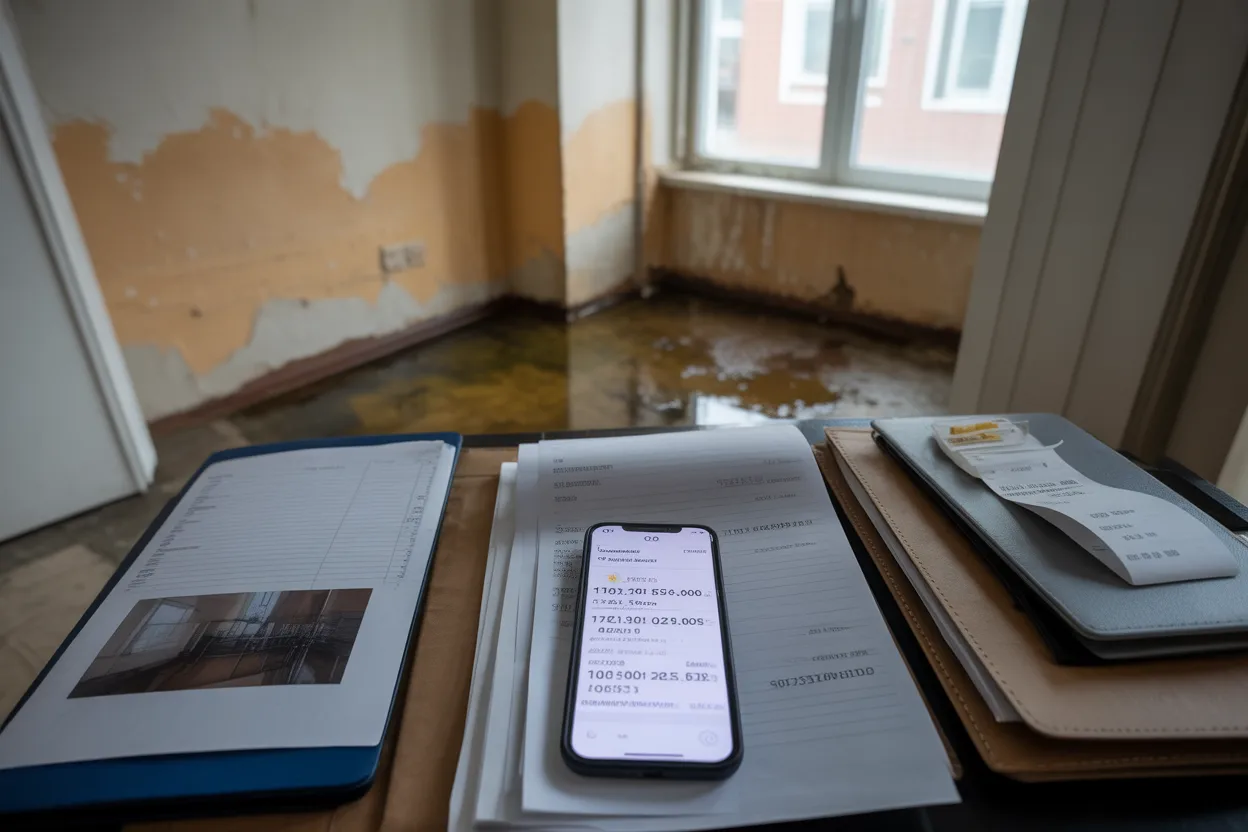
Water leaks that went unrepaired. A dripping ceiling or a slow pipe leak that the landlord knew about and ignored. Over time it soaks through walls, ruins floors, destroys belongings. This is one of the most common property damage negligence claims filed in Alabama.

Mold from ignored moisture problems. When water issues don’t get fixed, mold follows. If the landlord knew there was a moisture problem and didn’t address it, and mold spread as a result, that’s on them.

Electrical hazards left unaddressed. Faulty wiring, overloaded circuits, exposed connections — electrical problems that get reported and ignored create fire risk and real damage.

Pest infestations the landlord refused to treat. If the landlord knew about an infestation and did nothing, and pests damaged your belongings or made the unit uninhabitable, you have grounds to pursue a claim.

Structural failures from long-ignored deterioration. A ceiling that collapses because the roof was never properly maintained. A floor that gives way because rot was left unchecked. These are serious property damage negligence situations that courts take seriously.

In every one of these cases, the negligence isn’t the problem itself — it’s the landlord’s decision not to deal with it.

legal obligation

What to Do Before You File Anything

Rushing to court before you’ve built your case is one of the biggest mistakes tenants make. What you do in the days and weeks before filing often determines what happens inside the courtroom.

Get your repair requests in writing. If you reported the problem verbally, follow up with an email or letter that confirms what was said and when. Written notice is hard to dispute. A phone conversation isn’t.

Photograph and video everything — with timestamps. The damage, the source, the progression. Courts respond to visual evidence in a way they don’t always respond to testimony alone.

Track every dollar. What was damaged, what it was worth, what you spent out of pocket because the landlord didn’t act. Keep the receipts, the invoices, the bank statements.

Give the landlord a reasonable chance to respond. Going straight to a lawsuit without giving any notice looks bad. Documenting that you gave notice and got nothing back looks a lot better.

This groundwork is what separates a property damage negligence claim that wins from one that gets dismissed on procedural grounds.

What Compensation Looks Like and Where to File

If you prove property damage negligence, Alabama courts can award you compensation for the actual value of damaged items, repair and replacement costs, and additional out-of-pocket losses that resulted from the landlord’s failure.

Small claims court works for lower-dollar disputes. It’s quicker, cheaper, and doesn’t require you to hire a property damage lawyer. Alabama’s small claims limit caps the amount you can recover there, so if your losses are significant, you’ll need to look at the next option.

Civil court is where larger property damage negligence cases get handled. The process is more involved, but the potential recovery is higher and there’s no ceiling on damages.

Renters insurance is worth mentioning here. It doesn’t take the place of a negligence claim, but it can get money to you faster — especially when the landlord disputes liability and the legal process drags on. If you don’t have it, this situation is a reminder of why it exists.

Alabama and Florida: The Key Difference Tenants Need to Know

Both states give tenants legal standing to pursue property damage negligence claims. The principles are the same. But there’s one major difference that changes the stakes considerably.

Alabama uses contributory negligence. Under this rule, if you are found even slightly responsible for the damage — even one percent — you can be completely barred from recovering anything. It’s one of the toughest standards in the country, and it means your case has to be airtight. Any suggestion that you contributed to the problem can cost you everything.

Florida uses comparative negligence, which is more forgiving. If you share some responsibility, your compensation gets reduced by your percentage of fault — but you can still recover something.

If you’re dealing with a situation that touches both states, or you’re not sure which rules apply, talk to an attorney before filing anything.

property damage negligence claim

Conclusion

Property damage negligence cases are winnable. Tenants recover compensation in Alabama courts regularly. But the ones who succeed tend to have one thing in common — they documented everything, gave proper notice, and didn’t wait too long to act.

If your landlord knew about a problem, had a duty to fix it, and let it go until your property was damaged, that’s the core of a claim. What you do next is what determines whether it goes anywhere.

The attorneys at More 2 You Law work with Alabama and Florida tenants on exactly these situations. If you want to understand where your case stands, that’s a conversation worth having sooner rather than later.

FAQs

What counts as property damage negligence in Alabama? 

It comes down to three things: the landlord knew about a problem, had a legal duty to fix it, and didn’t act in a reasonable time — and your property was damaged because of that failure. A leaky roof the landlord ignored for months while your ceiling caved in is a textbook example.

How long do you have to file a property damage negligence claim in Alabama? 

Two years from the date the damage occurred. That sounds like plenty of time, but documentation gets harder to gather as time passes and memories fade. File sooner rather than later.

What does Alabama’s contributory negligence rule mean for tenants? 

It means if the court decides you played any role — even a minor one — in causing or worsening the damage, you may walk away with nothing. It’s one of the strictest rules in the country. Your case needs to show the landlord was fully at fault, with nothing pointing back to you.

Can a tenant sue over water damage caused by an unrepaired leak? 

Yes, if the landlord knew about the leak and didn’t fix it. Knowledge and inaction are the two things you need to establish. If you reported it in writing and have photos showing it got worse while the landlord did nothing, that’s a solid foundation for a property damage negligence claim.

Do you need written proof to file a property damage negligence lawsuit? 

You don’t need it to file, but you’ll have a hard time winning without it. Written repair requests, dated photos, and itemized receipts are what give a judge or jury something concrete to work with. Without documentation, it becomes your word against the landlord’s.

How much can a tenant recover in a property damage negligence case? 

It depends entirely on what you lost and what you can prove. Courts can award the replacement or repair cost of damaged property, related out-of-pocket expenses, and in cases involving serious or prolonged negligence, additional damages on top of that. Strong documentation is what drives the number up.

Can unsafe living conditions be included in a property damage negligence claim? 

Yes. Exposed wiring, structural damage, severe mold — if those conditions existed because the landlord failed to maintain the property and your belongings or finances were affected, they belong in the claim.

Who pays for damage that tenants caused themselves? 

Tenants are responsible for damage they cause beyond normal wear and tear. Landlords can deduct those costs from the security deposit or pursue additional compensation through the courts. That said, if the damage traces back to something the landlord should have fixed and didn’t, that changes the picture.


RECENT POSTS

Can You Sue the Government for Road Defects?

Can You Sue the Government for Road Defects?

Can You Sue the Government for Road Defects?

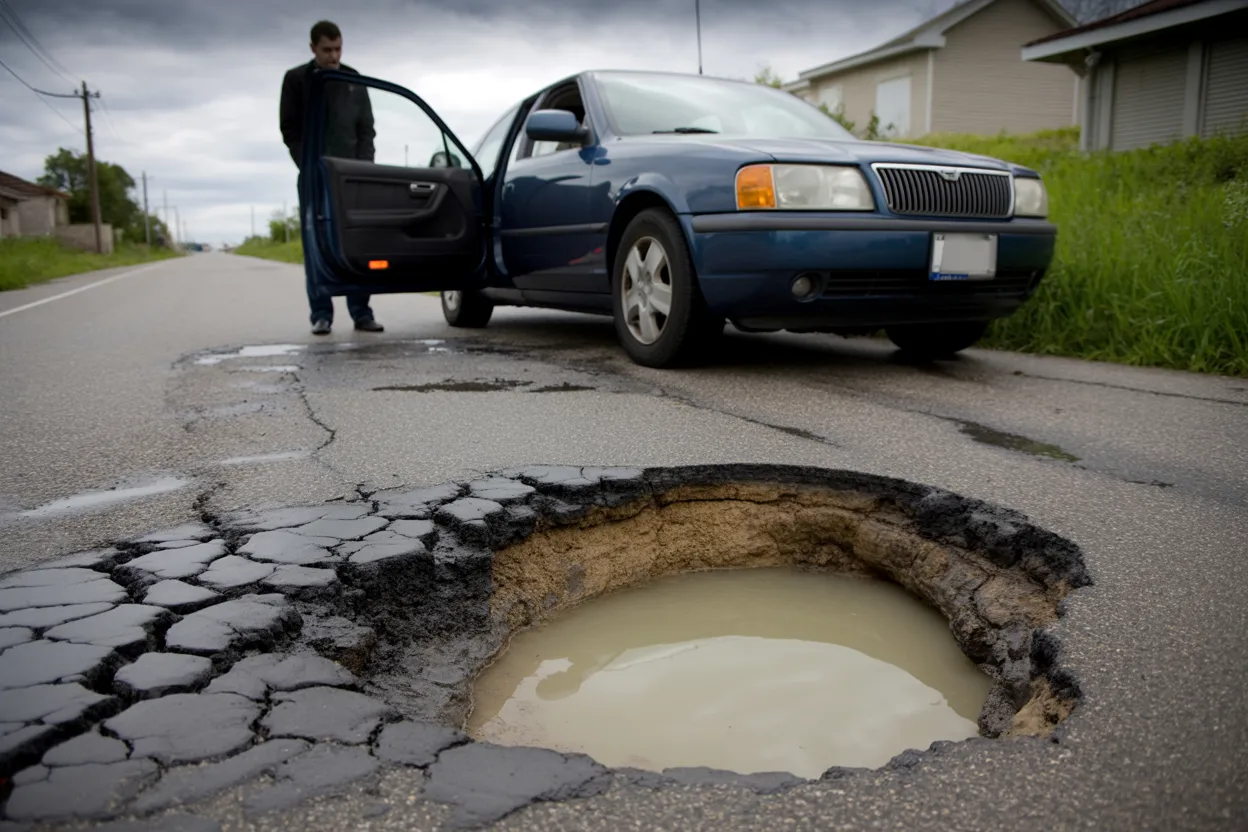
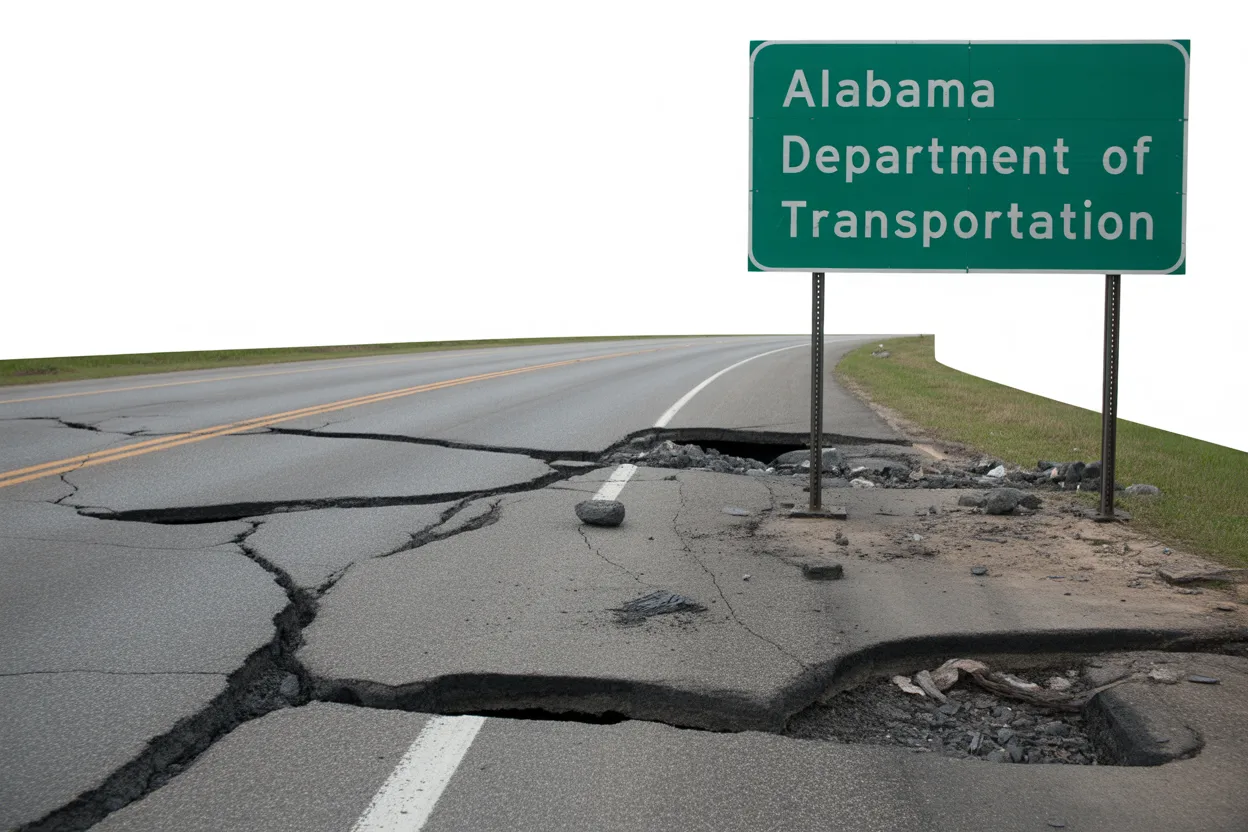
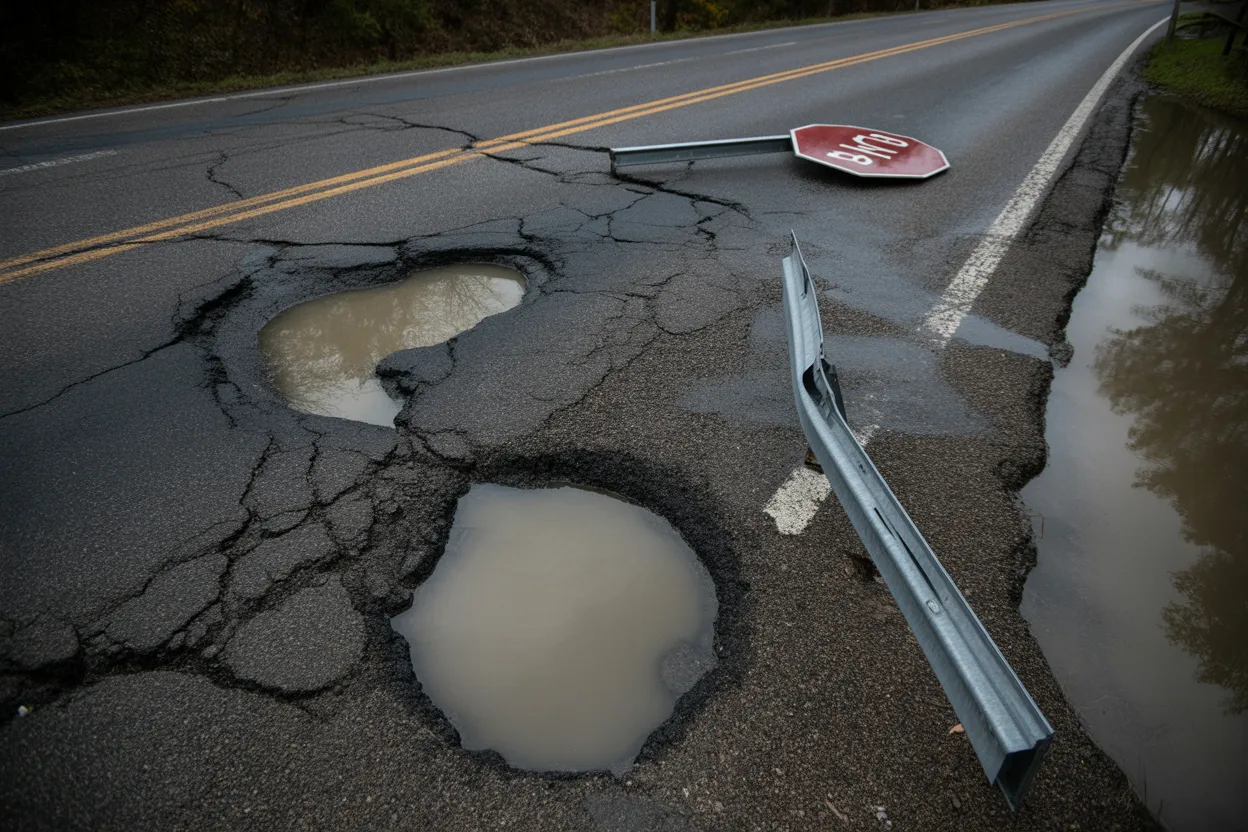
You’re driving home. Everything is fine. Then your tire drops into a pothole the size of a salad bowl, your car lurches, and suddenly you’re on the side of the road with a blown tire, a sore neck, and no idea what just happened. Its not you fault but just due to road defects.

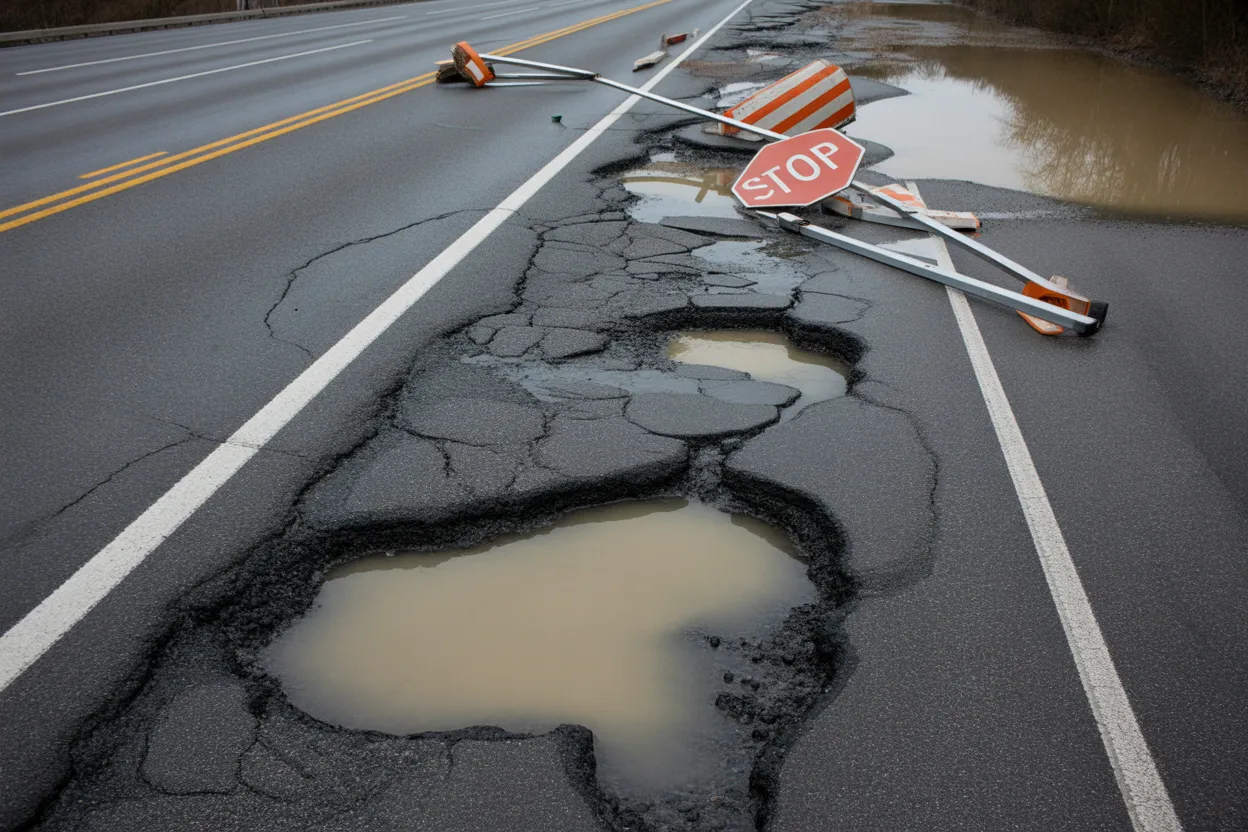
Or maybe it was worse than that — a missing stop sign at a dangerous intersection, standing water across a highway that sent your car hydroplaning, a construction zone with zero warning until it was too late.

These situations happen every day across Alabama and Florida. And the question most people have afterward — who’s responsible for this? — has a real answer. In many cases, that answer is the government.

Whether it’s gathering evidence, negotiating with insurance companies, or representing clients in court, More 2 You handles every aspect with utmost professionalism and dedication.

When the Government Is Responsible for Unsafe Roads

Roads don’t fix themselves. Behind every public highway, city street, and county road is a government agency with a legal duty to keep that road reasonably safe. When they neglect that duty, people get hurt.

In Alabama and Florida, that duty covers:

  • Filling potholes and repairing damaged pavement before someone gets hurt
  • Keeping traffic signs and signals working properly
  • Managing drainage so water doesn’t pool across travel lanes
  • Making sure construction zones are clearly marked with adequate warning

When an agency ignores these responsibilities — or just lets things slide — and someone ends up injured because of it, that’s not just bad luck. That’s negligence. And negligence has consequences.

Sue the government for road defects
Road defect lawsuit Alabama

What Counts as a Dangerous Road Condition?

A faded lane line probably won’t cut it. To have a valid claim, the road condition needs to be genuinely hazardous — something that created a real risk and played a direct role in your accident.

The kinds of conditions that typically support road hazard personal injury claims include:

  • Potholes deep or wide enough to cause serious damage or loss of vehicle control
  • Missing, knocked-down, or obscured traffic signs
  • Drainage failures that leave standing water across travel lanes
  • Severely uneven pavement that causes vehicles to swerve or lose stability
  • Unmarked or inadequately marked construction areas

If you hit something like that and your accident followed directly from it, you likely have something worth looking into legally.

Can You Sue the Government for Damages?

Short answer: yes. Longer answer: it’s complicated, but absolutely doable when handled correctly.

Government agencies have traditionally been protected by a legal doctrine called sovereign immunity — essentially a rule that says you can’t sue the government without its permission. But both Alabama and Florida have passed laws that poke significant holes in that protection, allowing lawsuits in situations involving genuine negligence.

To make a successful claim, you have to prove four things:

  • The agency had a legal duty to maintain that specific road
  • They knew about the hazard — or should have — and failed to address it
  • That failure is what caused your accident
  • You suffered real, provable harm as a result

None of that is simple. But it’s achievable with the right evidence and the right legal help.

Can you sue the government for damages
Can you sue the city for pothole damage

How the Alabama Tort Liability Act Applies

The Alabama Tort Liability Act is the law that determines when and how you can sue a state government entity in Alabama. It creates exceptions to sovereign immunity — meaning it allows certain lawsuits that would otherwise be blocked — but it also sets firm limits around those claims.

Those limits include how long you have to file, what types of damages you can recover, and which claims are actually eligible. If you’re thinking about a defective highway lawsuit in Alabama, this law will shape almost every aspect of how your case unfolds.

Municipality Liability in Alabama and Florida

State agencies aren’t the only ones who can be held responsible. Cities and counties have their own maintenance obligations, and they can face legal consequences when they fail to meet them.

A municipality may be liable if:

  • It knew a road hazard existed and chose to do nothing about it
  • Residents or drivers reported the problem and the city ignored those complaints
  • Routine maintenance was delayed without any reasonable justification
  • Drivers weren’t warned about a known danger on the road

Filing a claim against a local government in Alabama involves specific steps and deadlines. Getting those right from the start is essential — one procedural mistake can close the door on an otherwise valid claim.

ALDOT Road Maintenance Responsibilities

If your accident happened on a major state highway, the Alabama Department of Transportation may be the responsible party. ALDOT is charged with inspecting and maintaining those roads, and when that work doesn’t get done — and someone gets hurt as a result — the agency can be held accountable.

The toughest part of these cases is usually proving how long the hazard existed before it caused your accident. A pothole that appeared the day before your crash is a tough case. A pothole that other drivers complained about for three months before anyone touched it? That’s a much stronger argument that ALDOT knew about it and did nothing.

Alabama Department of Transportation
Vehicle damage from potholes

Notice of Claim Requirements

Here’s something a lot of people don’t realize: before you can sue a government agency in Alabama or Florida, you first have to send them a formal notice of claim. It’s a required preliminary step — skip it, and your lawsuit may be thrown out before it even gets started.

The notice needs to include:

  • Exactly where the accident happened and what the road condition looked like
  • A description of your injuries or vehicle damage
  • The compensation you’re seeking
  • Specific details about the accident itself

The deadlines on these notices are tight — sometimes just a matter of weeks. Miss the window, and you may lose your right to pursue compensation entirely, even if your case would have been strong.

The 4 Things Required to Prove Negligence

Every negligence claim — whether it’s against an individual driver or a government agency — comes down to four elements. You need all four to win.

  1. Duty of Care The government had a legal responsibility to keep that road safe. This one is usually straightforward — public roads are literally their job.
  2. Breach of Duty They didn’t do their job. A known hazard went unaddressed, repairs were delayed without reason, or warnings were never posted.
  3. Causation The road defect is what caused your accident. Not just a contributing factor — a direct cause. You’ll need to connect the dots clearly.
  4. Damages You suffered real harm. Medical bills, lost income, vehicle damage, pain — something concrete that can be measured and documented.

If any one of these elements falls short, the claim doesn’t hold. That’s why the work you do gathering evidence immediately after the accident matters more than most people realize.

Evidence That Strengthens Your Case

In these cases, documentation is everything. The more clearly you can show what the road looked like, how long the problem existed, and what it cost you, the harder it becomes for a government agency to claim ignorance or deny responsibility.

The evidence that carries the most weight:

  • Photos and video of the hazard, taken the same day if possible — before anything changes
  • Police report from the scene of the accident
  • Medical records showing your injuries and the treatment you needed
  • Repair estimates or bills for your vehicle
  • Witness statements from anyone who saw the accident or can describe the road condition
  • Prior complaint records — 311 calls, maintenance requests, news coverage of the same hazard

That last category is often the most powerful. If the city received multiple complaints about the same pothole in the months before your accident and did nothing, that’s strong evidence they knew exactly what was out there.

causes of car accidents

Can You Sue the City if a Pothole Damages Your Car?

Yes — and this is more viable than most people assume. If a city had actual knowledge of a pothole, or if routine inspections should have caught it, and they still didn’t fix it, you may have a legitimate claim for vehicle damage or physical injuries.

What you need to show: the pothole was genuinely dangerous, it had existed long enough for the city to act on it, and it directly caused your damage or your accident. Vehicle claims often involve tire blowouts, bent rims, suspension damage, or accidents caused by swerving to avoid the hazard.

How Common Is It to Be Sued After a Car Accident?

Car accident lawsuits are fairly routine when there are real injuries or significant property damage involved. Claims against government agencies are less common — not because the law doesn’t allow them, but because they require navigating more rules, tighter deadlines, and legal defenses that don’t show up in typical accident cases.

That said, government road defect claims do succeed. They’re just cases where preparation and timing matter more than usual.

road safety tips
dangerous roads

Compensation You May Be Able to Recover

If your claim is successful, you may be entitled to recover:

  • Medical expenses, including any ongoing or future treatment
  • Lost wages from time you couldn’t work during recovery
  • Vehicle repair or replacement costs
  • Pain and suffering damages

Worth knowing: Alabama and Florida both impose limits on certain damages in government claims. An attorney can tell you upfront what those limits are and how they apply to your specific situation so you’re not caught off guard later.

Why These Cases Are Harder Than Standard Accident Claims

If you’ve been through a regular car accident claim, dealing with a government agency will feel different — and more demanding. A few reasons why:

Proving knowledge is harder. You can’t just show the hazard existed. You have to show the government knew — or had every reason to know — and still didn’t act.

Deadlines are shorter and stricter. Miss a filing window by a day, and in some cases, your claim is gone. There’s no flexibility here the way there sometimes is in private claims.

Records take work to obtain. Maintenance logs, inspection records, and complaint histories don’t just land in your lap. Getting them often requires formal legal requests.

Immunity defenses are real. Agencies will invoke legal protections, and countering those arguments requires experience with how these laws actually work in practice.

None of this makes the case impossible. It just makes starting early — and getting the right legal help — genuinely important.

How More 2 You Law Can Help

More 2 You Law handles road defect cases for injured drivers throughout Alabama and Florida. The firm knows how these claims work, which agencies are involved, and what it takes to build a case that holds up.

Working with More 2 You Law means having someone who will:

  • Dig into what caused your accident and identify every responsible party
  • Secure and preserve evidence before it disappears or gets repaired
  • File your notice of claim and all other documents correctly and on time
  • Fight for the compensation you’re actually owed

The earlier you reach out after an accident, the more your attorney can do for you.

Protect Your Rights After a Road Defect Accident

If a dangerous road condition caused your accident in Alabama or Florida, time is already working against you. The notice of claim deadlines are short, evidence disappears, and road defects often get repaired before anyone documents them properly.

Don’t wait. Get photos, get the police report, and call More 2 You Law. The sooner your case is in the right hands, the better your chances of holding the right people accountable and getting the compensation you deserve.

FAQs

1. Can you sue the government for damages?

Yes. Government agencies can be sued when their negligence caused your accident and injuries. Sovereign immunity doesn’t provide blanket protection — it has exceptions, and road maintenance negligence is one of them. The process is more involved than a standard lawsuit, but it’s far from impossible.

2. What are the 4 things required to prove negligence?

Duty, breach, causation, and damages. You have to show the government was responsible for the road, failed to address a known problem, that failure caused your accident, and you suffered real harm because of it. All four have to be there.

3. Can you sue the city if a pothole damages your car? 

Yes — if the city knew or reasonably should have known about it and didn’t fix it. You also need to show a clear connection between the pothole and your specific damage. These claims are winnable when the evidence is there.

4. How common is it to be sued after a car accident? 

Very common when injuries or major damages are involved. Government claims are less frequent because of the procedural requirements, but they happen — and they succeed when handled properly.

5. How long do I have to file a claim?

It depends on the state and the agency. In many cases, you have just weeks to file a notice of claim before your legal options start closing. Don’t assume you have the same timeline you’d have in a private lawsuit.

6. What if the government says it didn’t know about the defect?

That claim isn’t automatically the end of your case. If the hazard had been there long enough that inspections should have caught it — or if prior complaints exist — you may still be able to prove constructive knowledge. Good evidence often defeats this defense.

7. What evidence matters most? 

Photos of the scene, police reports, medical documentation, and any records of prior complaints about the same hazard. Proof that the government was already on notice — or should have been — is often what separates strong cases from weak ones.

8. Should I hire a lawyer for a road defect claim? 

Yes, and the sooner the better. These cases have procedural requirements that trip people up when they try to handle them alone, and mistakes early in the process can be impossible to fix later. An experienced attorney knows how these claims work and can protect your rights from the start.

RECENT POSTS

Who Pays Your Medical Bills After a Car Accident in Alabama While Your Case Is Still Pending?

Who Pays Your Medical Bills After a Car Accident in Alabama While Your Case Is Still Pending?

Who Pays Your Medical Bills After a Car Accident in Alabama While Your Case Is Still Pending?

We hear this question constantly from clients who’ve just been through a car accident in Alabama: “I’m still treating, my case isn’t settled — who’s supposed to be paying these bills?”

It’s one of the most stressful parts of any accident injury case, and it’s completely legitimate. You’re hurt, you’re missing work, and every week brings a new stack of medical bills with payment due dates that have nothing to do with your legal timeline.

At More 2 You Law, we walk clients through this every single day. So let’s break it down clearly — what your options are, how each one works, and what we typically recommend depending on your situation.

Whether it’s gathering evidence, negotiating with insurance companies, or representing clients in court, More 2 You handles every aspect with utmost professionalism and dedication.

The Reality Nobody Warns You About

When you’re injured in a car accident, the at-fault driver’s insurance company is not going to step in and start paying your medical bills while your case is active. That’s not how it works. Liability gets settled at the end — not along the way.

That means the financial responsibility for your treatment falls on you in the short term, even when someone else caused the crash. It feels backwards, and honestly, it is. But knowing this upfront means you can plan for it instead of being caught off guard.

Alabama Car accident

Your Health Insurance Is Your Best Friend Right Now

If you have health insurance, use it — immediately and without hesitation. A lot of accident victims hold back because they assume their insurer won’t cover accident-related treatment, or because they think the other driver’s insurance should be paying. Neither assumption is a reason to delay care.

Your health insurance covers emergency visits, surgeries, specialist appointments, physical therapy, and follow-up care. It doesn’t wait for fault to be determined. It just pays.

Yes, your insurer may later try to recover some of what they paid from the at-fault party’s settlement. That’s subrogation, and it’s standard. We handle that on your behalf when the time comes. What matters right now is that you get treatment and don’t create gaps in your care that hurt you later — both medically and in your case.

Medical Payments Coverage

Medical Payments Coverage: The Protection Most People Forget They Have

Medical Payments Coverage is an add-on to your auto insurance policy that a surprising number of people carry without fully understanding. It pays for medical expenses after an accident regardless of fault. No liability debate, no waiting. It covers you, your passengers, and in some cases injuries you sustain outside your vehicle.

This coverage is optional in most states, and we’ve seen too many clients wish they’d added it before their accident. If you’re currently reviewing your auto policy and haven’t added it, do it. It’s one of the most straightforward forms of protection available to drivers.

Personal Injury Protection: Know Your State’s Rules

Some states operate under a no-fault insurance system, which means your own Personal Injury Protection coverage pays first after an accident — before any fault determination happens. This type of coverage typically covers a portion of your medical costs and lost wages up to your policy limit. For minor injuries, that’s sometimes workable. For anything more serious, it usually isn’t enough on its own.

One thing that catches people off guard: depending on your state, there may be a strict deadline — sometimes as short as 14 days from the accident — to seek medical treatment, or you risk losing your benefits entirely. That window is not flexible. If you were recently in an accident, don’t wait — get evaluated and call us today.

Personal Injury Protection
Medical Liens

Medical Liens: How You Get Treatment When You Don’t Have Coverage

If you don’t have health insurance or your coverage is limited, a medical lien arrangement may be the answer. This is an agreement between you, your attorney, and a healthcare provider where the provider treats you now and agrees to wait for payment until your case settles.

When your case closes, the provider is paid directly from the settlement proceeds before the remainder comes to you. You receive treatment without having to come up with money upfront, and the provider gets paid — just on a delayed timeline.

Depending on your state, hospitals may be able to file formal liens under state law that give them a legal right to payment from your settlement. As your attorneys, we manage the lien process and negotiate those amounts down when possible, which directly impacts how much you walk away with at the end.

Not every medical provider accepts lien arrangements. Our existing relationships with providers matter here — we can often connect clients with physicians and specialists who work on this basis.

Government Health Coverage: Useful, But With Strings Attached

If you’re covered by a government health program, it will cover accident-related medical treatment just as it covers anything else. For clients without private insurance, this is an important resource.

What you need to understand going in is that these programs have the legal right to recover what they paid from your settlement once your case closes. These amounts can be significant, and failing to handle them properly creates serious legal problems down the road.

You’re required to report your accident to whichever program covers you and keep them updated throughout your claim. We handle this communication on behalf of our clients and negotiate the repayment amounts — often getting them reduced substantially.

Government Health Coverage
Out-of-pocket medical expenses

Paying Out of Pocket: Use It Carefully

Sometimes clients end up covering certain expenses directly — co-pays, prescriptions, treatment from a provider who won’t work on a lien. That’s okay, but be meticulous about documentation.

Every receipt, every bill, every record of payment needs to be saved. Out-of-pocket medical expenses are fully recoverable through your injury claim, but only if you can prove what you spent. If you throw away a receipt, you’ve thrown away money.

For major treatment, paying out of pocket is a risk we’d caution against if other options exist. If your case doesn’t resolve the way you’re hoping, there’s no guarantee you’ll recover everything you spent personally. Come talk to us first before going this route for anything significant.

Don’t Ignore Medical Bills While You Wait

This comes up more than it should. A client gets hurt, starts treatment, and then avoids dealing with the billing side because they assume everything will get handled at settlement. Meanwhile, bills pile up, accounts go to collections, and credit takes a hit.

Healthcare providers don’t automatically wait for personal injury cases to resolve. They send bills, and if those bills don’t get paid or addressed, they pursue collection — completely independent of your legal case. Some hospitals place liens directly on settlements to ensure payment no matter what.

If you’re struggling with bills right now, call the billing department directly. Tell them you were in an accident and have a pending injury claim. Ask about your options. Most providers have seen this situation before and would rather work with you than send an account to collections. And of course, call us — this is exactly the kind of situation we help clients navigate.

Payment Plans: A Practical Bridge

When lien arrangements aren’t available and paying in full isn’t realistic, many providers will set up a payment plan. Monthly installments, deferred start dates, reduced amounts — it varies by provider, but it’s worth asking.

A payment plan won’t eliminate the debt, but it keeps things from escalating while your case moves forward. If you reach any kind of agreement with a provider, get it in writing and keep up with the payments.

car crash accident

When Your Case Settles — Here’s What Happens to the Money

We want clients to understand this before they’re sitting at a settlement signing, not after.

When your case resolves, the settlement funds don’t come straight to you in full. First, outstanding medical bills are paid. Then insurance subrogation claims are satisfied. Then lien agreements are settled. Then attorney fees and case costs come out. What remains after all of that is your net recovery.

We go through this breakdown with every client before they agree to any settlement. There should be no surprises at the end. If you’re working with another firm and no one has walked you through this yet, that’s a conversation worth having sooner rather than later.

What You Should Do Right Now

If you were recently in a car accident, here’s what matters most in the immediate term:

See a doctor now, even if you feel like you’re okay. Symptoms from accident injuries often appear days later, and waiting creates gaps that hurt both your health and your claim.

Don’t skip follow-up appointments. Inconsistent treatment is one of the most common ways injury claims lose value.

Save every piece of paper — bills, insurance statements, receipts, discharge instructions, everything.

Call your medical providers early if billing becomes an issue. Don’t let accounts go to collections.

Call More 2 You Law. The earlier we get involved, the more options we can put on the table for you.

We’ve Helped Clients Through This — We Can Help You Too

The financial side of a car accident case is genuinely complicated. Between health insurance, medical payments coverage, personal injury protection, medical liens, government health programs, and payment plans, there are more moving parts than most people realize. And every client’s situation is a little different.

What we’ve found is that clients who reach out early have significantly more options than those who wait. The longer bills sit unanswered, the fewer tools we have to work with.

If you’re dealing with medical bills after a car accident and your case is still pending, reach out to More 2 You Law. We’ll sit down with you, go through your specific situation, and help you figure out the clearest path forward — without the runaround.

FAQs About Who Pay Medical Bills After Car Accident in Alabama


Who pays my medical bills while my injury case is still open? 

You’re initially responsible, but that doesn’t mean you’re paying everything out of pocket. Health insurance, medical payments coverage, personal injury protection, and medical lien arrangements all exist to cover costs during the waiting period. We help clients identify which combination makes sense for their situation.

What is medical payments coverage and do I have it? 

Medical payments coverage is an optional auto insurance add-on that covers medical bills after an accident regardless of fault. Check your auto policy declarations page — you may have it and not realize it. Coverage rules and availability vary by state.

Are there deadlines I need to know about? 

Yes — depending on your state, you may have a very short window to seek medical treatment after an accident before losing certain insurance benefits. Some states set that deadline as low as 14 days. Don’t assume you have unlimited time. Get evaluated quickly and call us so we can make sure you don’t miss anything critical.

What is a medical lien and how does it work? 

A medical lien is an agreement where a provider treats you now and waits for payment until your case settles. We manage the lien arrangement and negotiate the amounts on your behalf. It’s one of the most common solutions for clients without strong insurance coverage.

What happens to government health coverage benefits after my case settles? 

These programs have the right to seek reimbursement from your settlement — this is called subrogation. We handle the notification requirements and negotiate the repayment amounts on behalf of our clients, often reducing what gets paid back significantly.

What if my bills are already going to collections? 

Call us now. There are still options available, but the sooner we can intervene, the better. Don’t assume it’s too late.

How do I know what I’ll actually take home after my case settles? 

We walk every client through the full breakdown before any settlement agreement is signed. Medical bills, subrogation claims, liens, fees — you’ll know exactly where every dollar is going before you agree to anything.

RECENT POSTS

Translate »